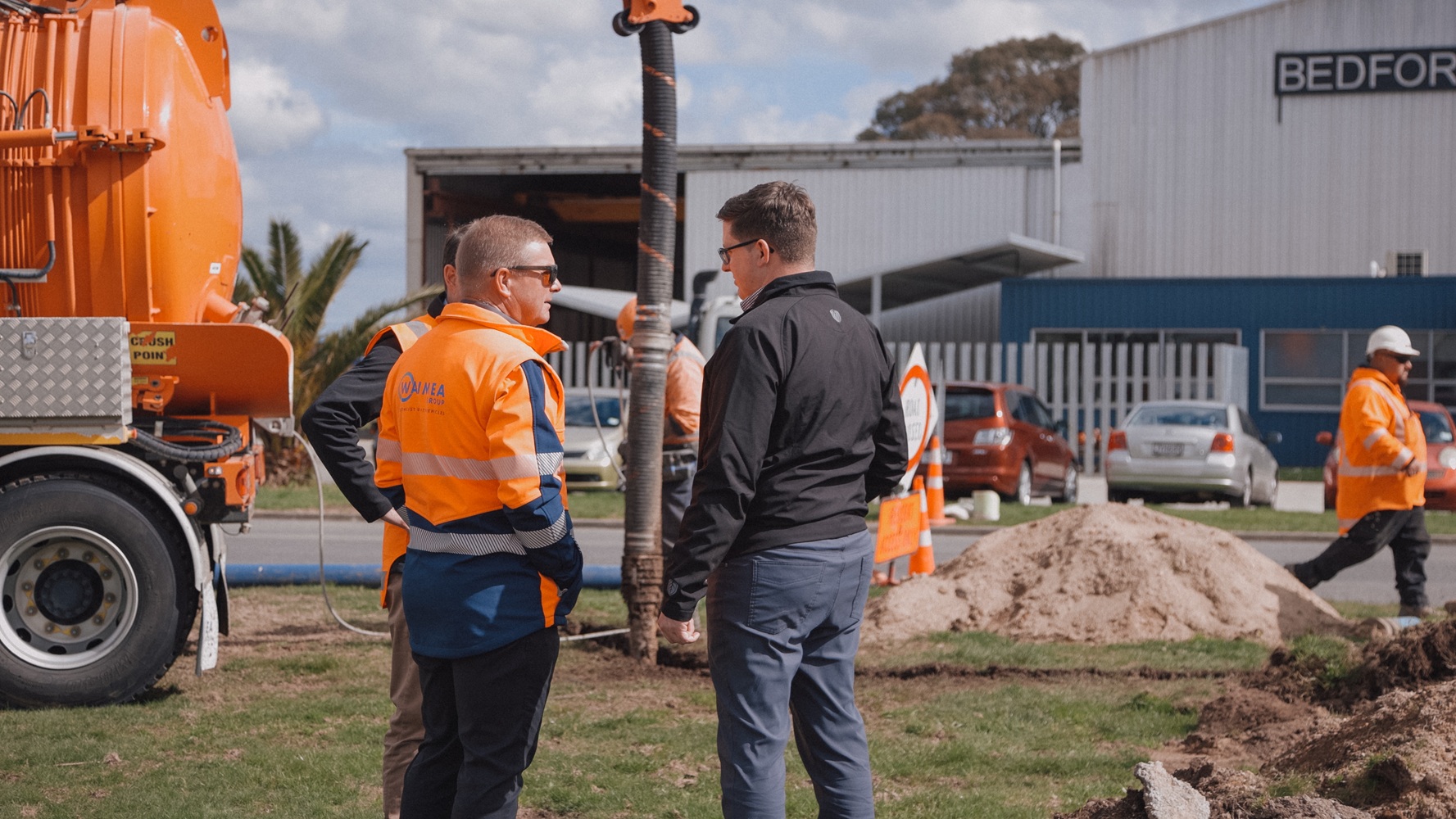
Across New Zealand, hydro excavation is rapidly becoming the industry standard for safe digging. From stormwater management and slot trenching to high-stakes fibre optic work and potholing, this technology offers a critical safety layer for complex civil works. Essentially, hydro excavation is "non-destructive digging" engineered into a specialist utility vehicle. By using pressurized water and air to move around solid objects, it protects sensitive underground assets, like gas mains and fibre optic cables, eliminating the risks associated with hitting these utilities.
However, with an array of configurations and technical extras available, choosing the right hydrovac can be a challenge. At Waimea, we are committed to delivering specialist vehicle solutions tailored to your operational needs. To help you navigate the selection process, we have compiled the eight essential questions you should ask before investing in your next hydrovac.

Hydro excavation isn't a "one size fits all" industry. The ideal unit for high-precision potholing or service locating is vastly different from a hydrovac required for bulk-volume excavation. At Waimea Group, we draw on 25 years of field-tested refinement, born from our own history in the contracting business, to help you navigate these choices.
Whether you need the agility of our Allvac® AV850 Trailer Unit (500L water capacity) for tight urban worksites, or the larger size of the Allvac® AV7000H with its 90% deep vacuum and 2000L capacity for heavy civil projects, we have a solution engineered for the task. Every hydro excavator unit in our range is built for the demands of the job site, featuring hydraulic hoists, 150mm overhead suction booms, and high-durability triplex brass head pumps as standard.
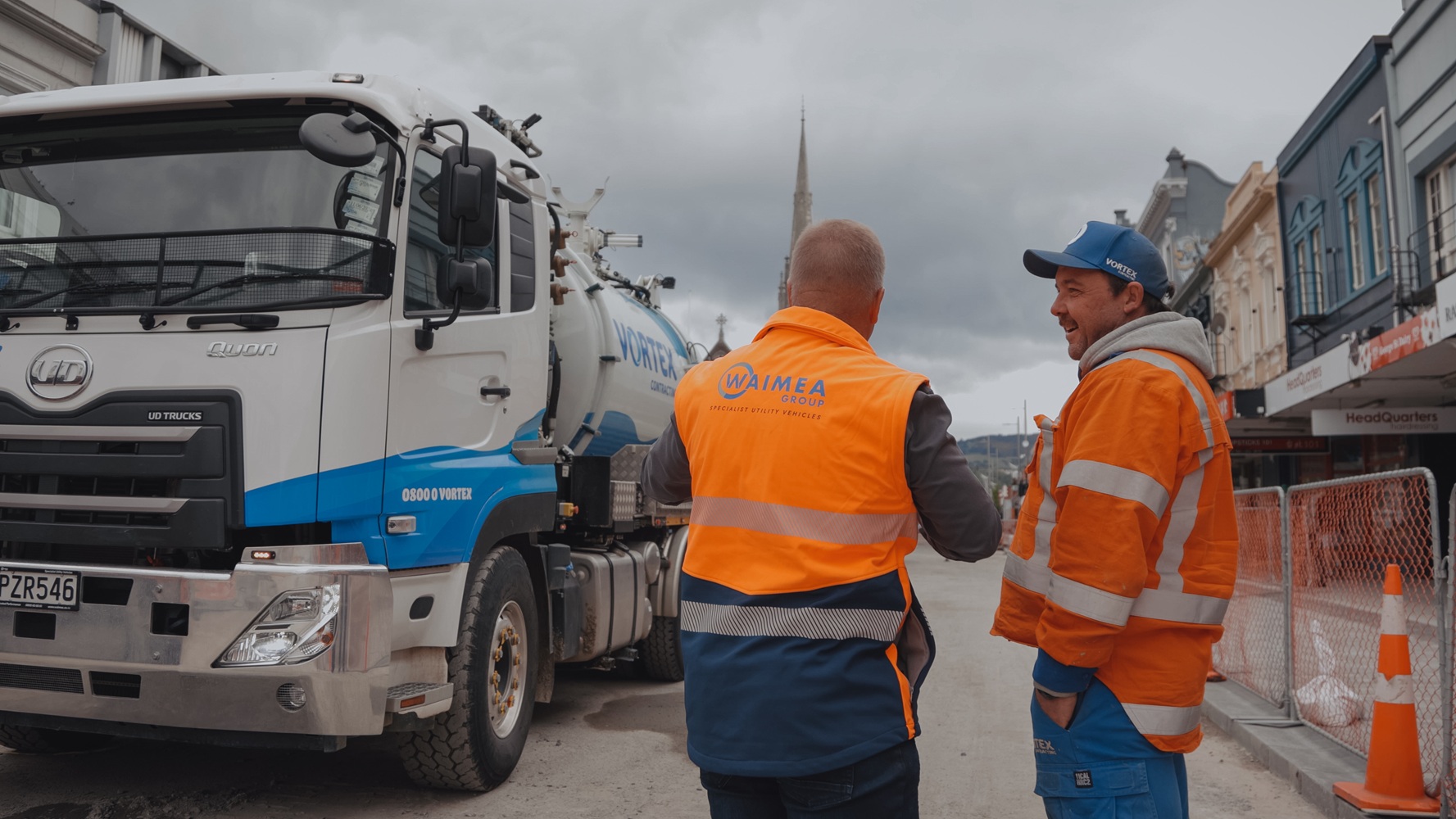
If you plan to secure contracts with local councils or government agencies, your hydrovac cannot simply be "powerful", it must be compliant. Municipal work takes place in the public eye, often in high-density residential areas, which brings a unique set of constraints that industrial sites don't have.
Some critical factors to keep in mind to meet these constraints are:
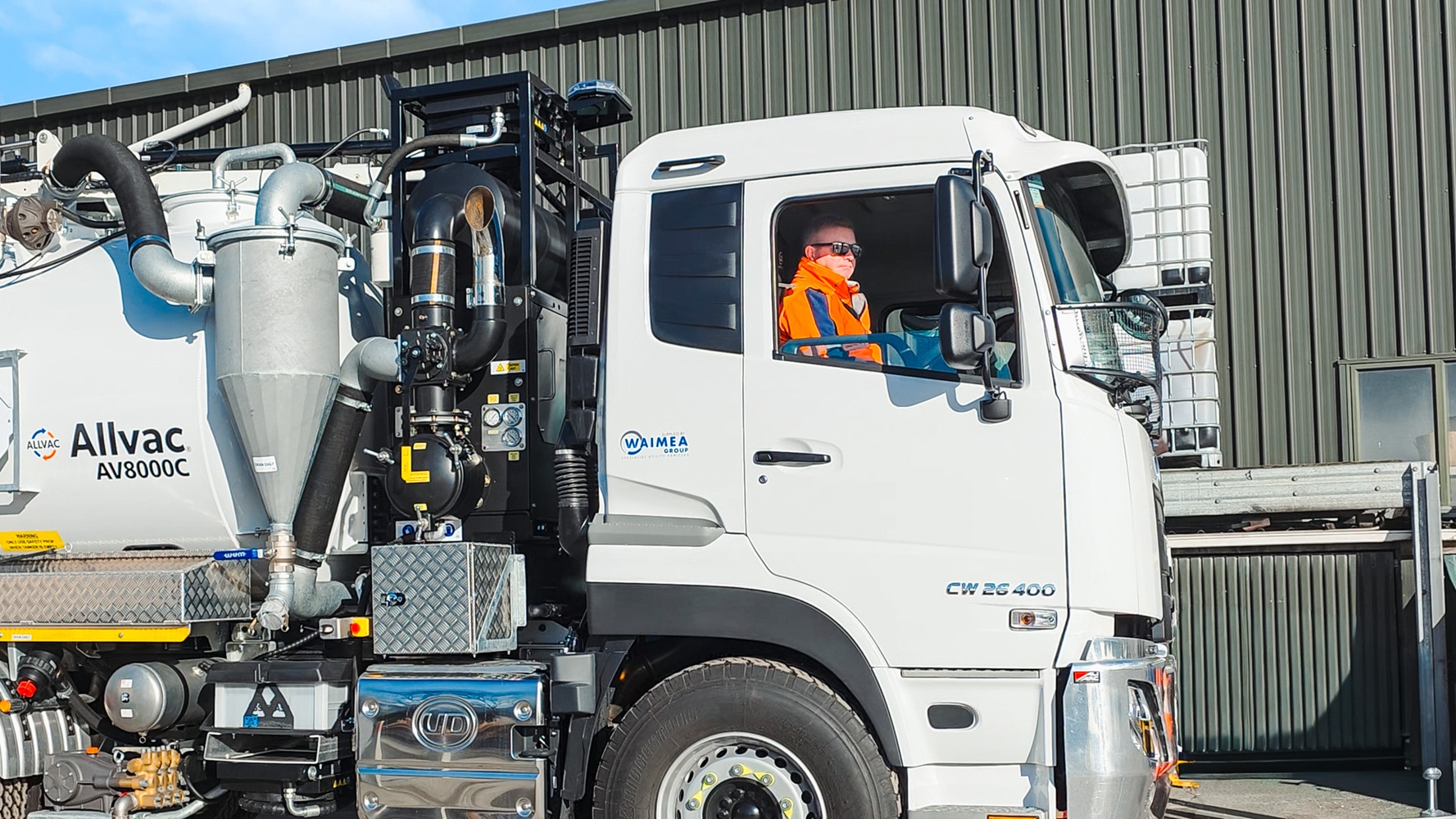
Choosing the right hydrovac isn't just about tank capacity, it’s about ensuring your operators are legally qualified to hit the road running. Our hydrovac’s are engineered to maximize payload while strictly adhering to New Zealand roading regulations. Through precise axle configuration and weight distribution, we offer units that fall under both Class 2 and Class 4 license requirements. Before investing, evaluate your current driver options, will you need a compact, agile unit for Class 2 drivers, or a heavy-duty Class 4 setup to maximize your cubic meter intake per trip?
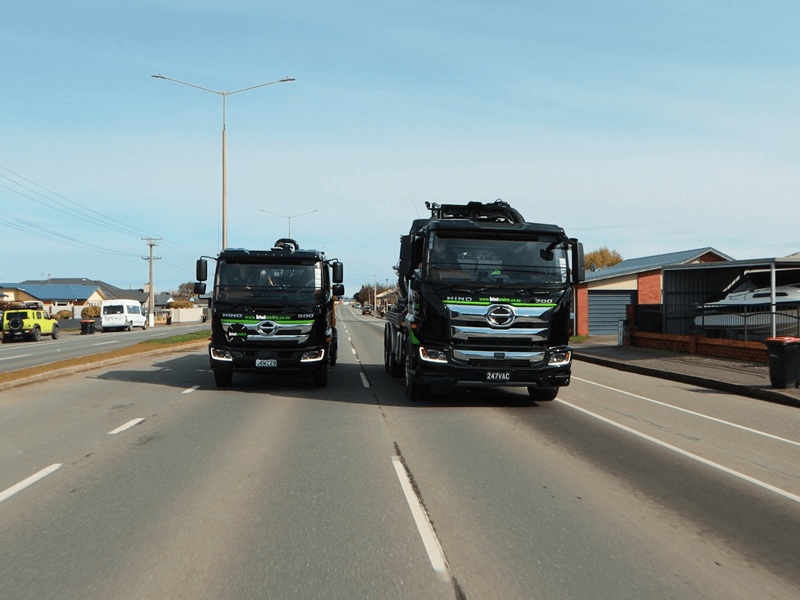
Your choice of hydrovac should be dictated by your "trip cycle." If you have an on-site disposal point, a smaller, more agile unit might suffice. However, if your disposal facility is a significant distance away, payload efficiency is everything. In these cases, you need a unit designed to maximize every kilogram of legal road weight. A higher-capacity tank reduces the number of trips required per day, lowering your fuel burn and Road User Charges (RUCs) while keeping your machine on the job site for longer.
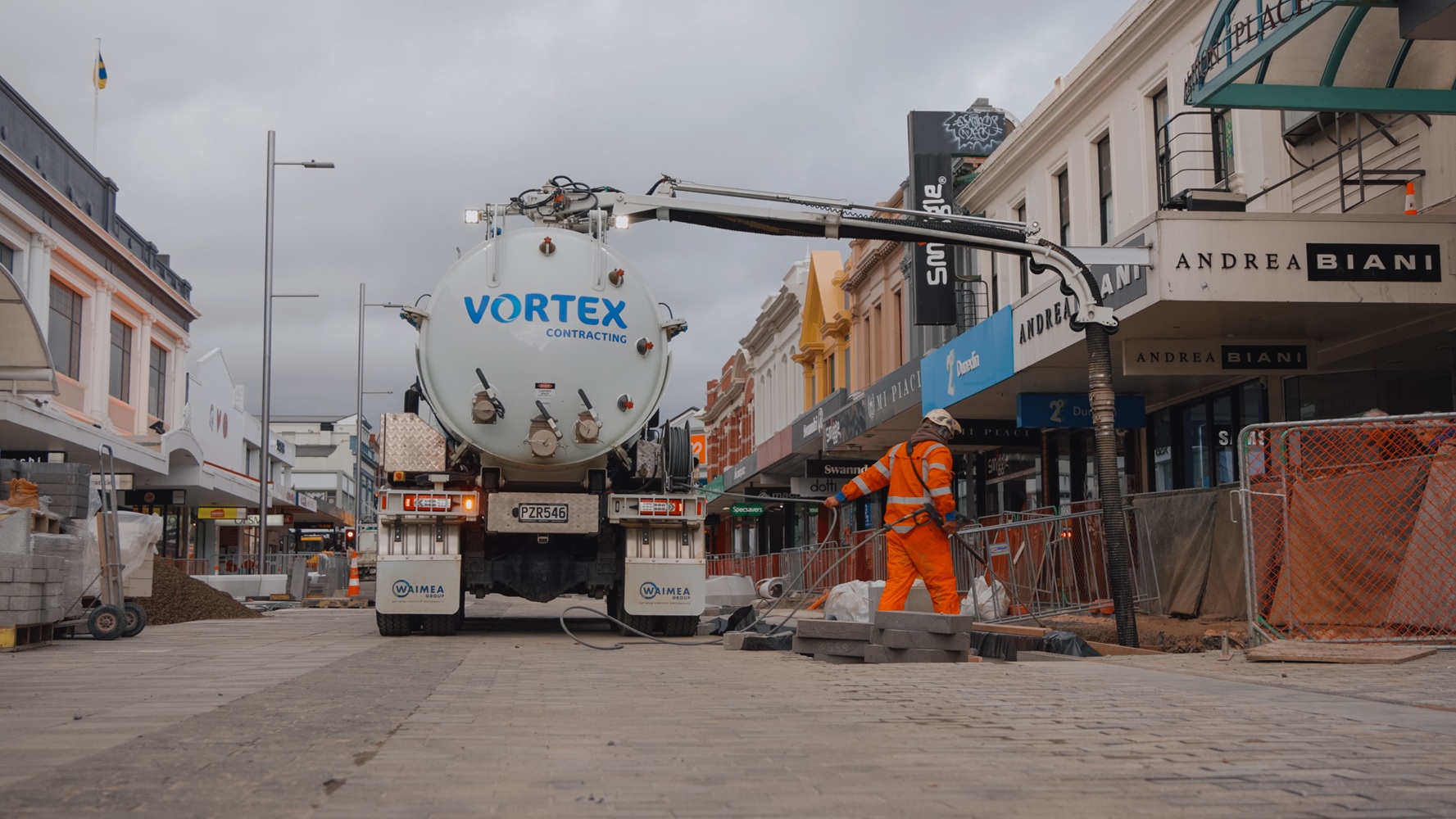
Urban civil works often means working in narrow alleys or busy thoroughfares. A smaller, more agile hydrovac unit de-risks these operations by minimizing the physical "footprint" of your job site. This isn't just about driving through traffic, it’s about the ability to set up and operate without blocking essential access or requiring complex, multi-lane diversions. For contractors focusing on city-center utility repairs, a hydrovac designed for restricted movement ensures you can get in, get the job done, and get out with minimal public disruption. When considering a hydrovac option, consider how its wheelbase and turning circle will perform in high-density areas where every centimeter of clearance matters.

In the civil and utility sectors, the need for new equipment doesn't always align with your current capital expenditure budget. Understanding this gap, Waimea offers a range of flexible financing options designed to get you on the road sooner. Whether you are looking for the long-term equity of an outright purchase, the tax advantages of a lease-to-own arrangement, or the low-risk flexibility of long-term hire, we can tailor a package that maximizes your ROI. Our goal is to ensure that securing a hydrovac feels less like a hurdle and more like a strategic investment.

Night shifts are common in utility maintenance to avoid peak-hour traffic, but they bring the challenge of strict noise restrictions. To avoid site shutdowns or "stop-work" orders due to noise complaints, you need a hydrovac unit specifically engineered for quiet operation. Not all hydrovacs are created equal. Here at Waimea certain blower and engine configurations are significantly quieter than others. If your contracts involve working in residential areas after hours, let’s discuss our "quiet-spec" options to ensure you stay compliant and your neighbours stay undisturbed.
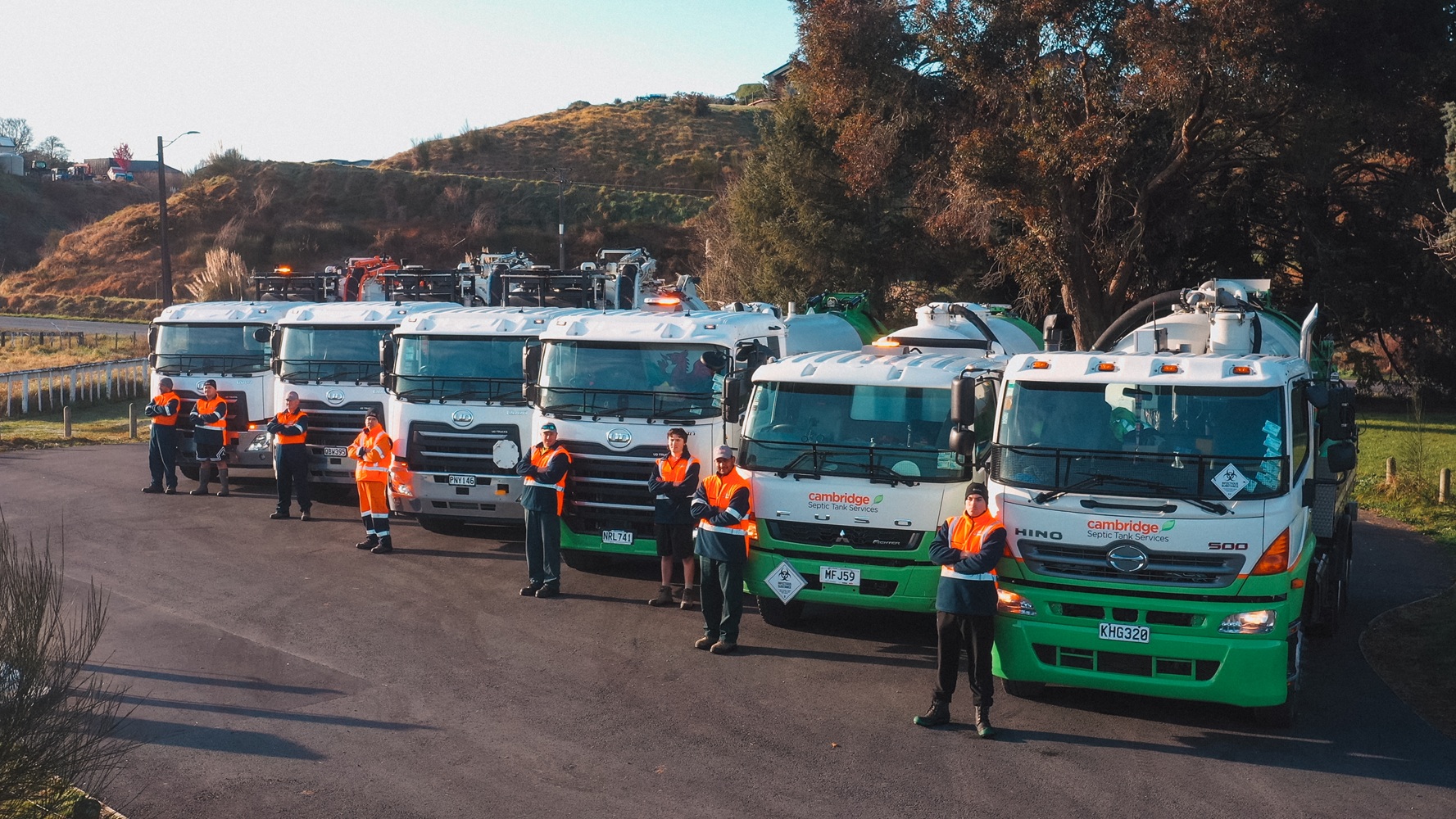
A hydrovac is a high-performance vehicle, and the chassis serves as its power plant. Because the vacuum and high-pressure water systems rely on a PTO from the truck’s engine, we carefully select chassis models that can handle these heavy-duty demands. While the technical requirements for power distribution mean our chassis options are specifically curated for compatibility, we work closely with you to find a configuration that fits your operational needs. Choosing a chassis isn't just about the brand, it’s about ensuring the truck has the "backbone" to power your equipment at peak efficiency.
When you invest in a hydrovac, you want it to be the best solution for you, your crew, and your business. Make sure you ask the right questions, so you get the right specialist utility vehicle!