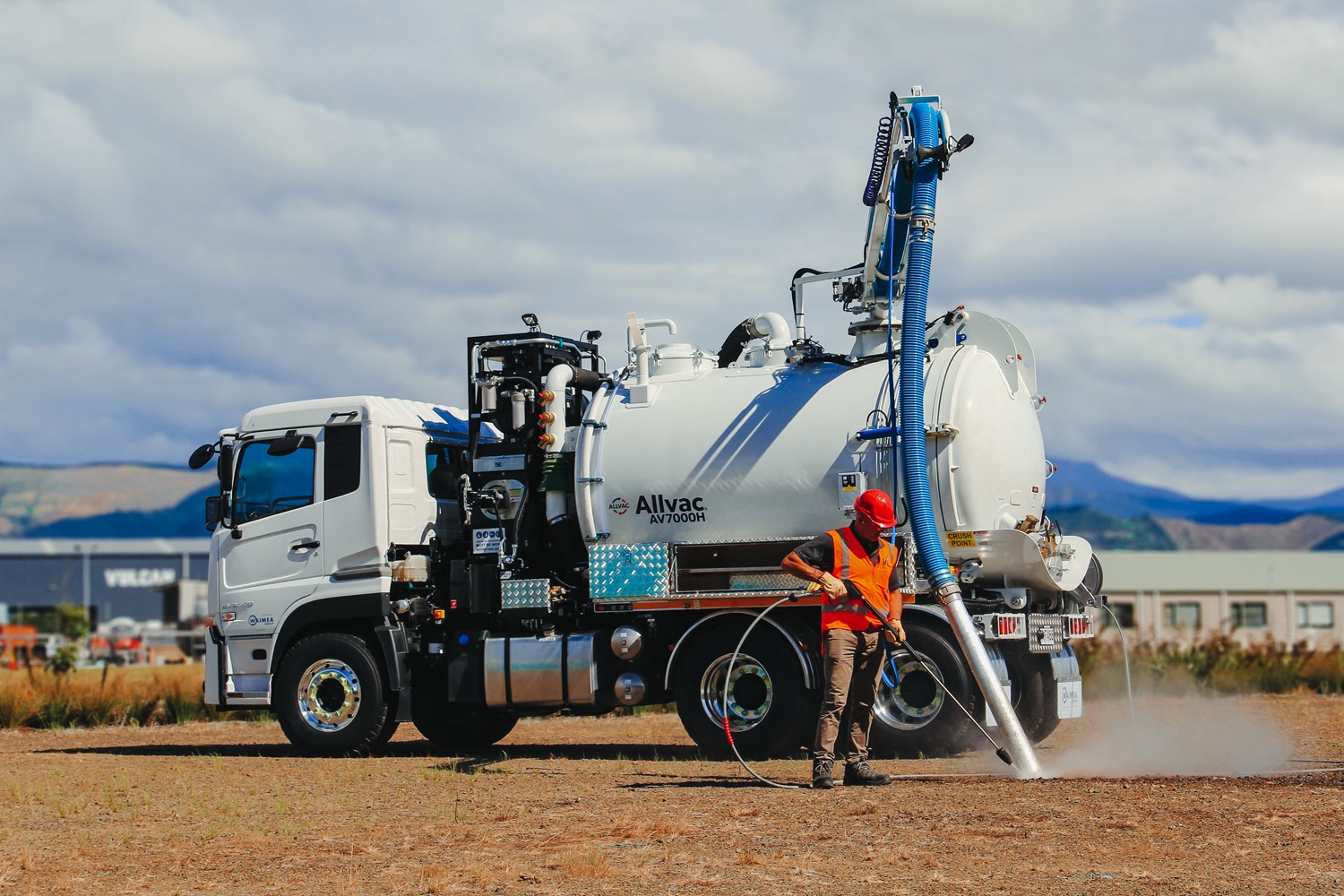
Underground utility strikes are one of the most serious contractor safety risks on New Zealand job sites, with a single mistake capable of causing electrocution, gas explosions, flooding, or an outage that takes down services for an entire street. Hydro excavation safety comes down to one principle: never let a mechanical bucket touch what's buried until you know exactly what's there. Allvac® hydro excavation trucks build that principle into the equipment itself, using pressurised water and vacuum extraction to expose services without the mechanical force that causes strikes in the first place.
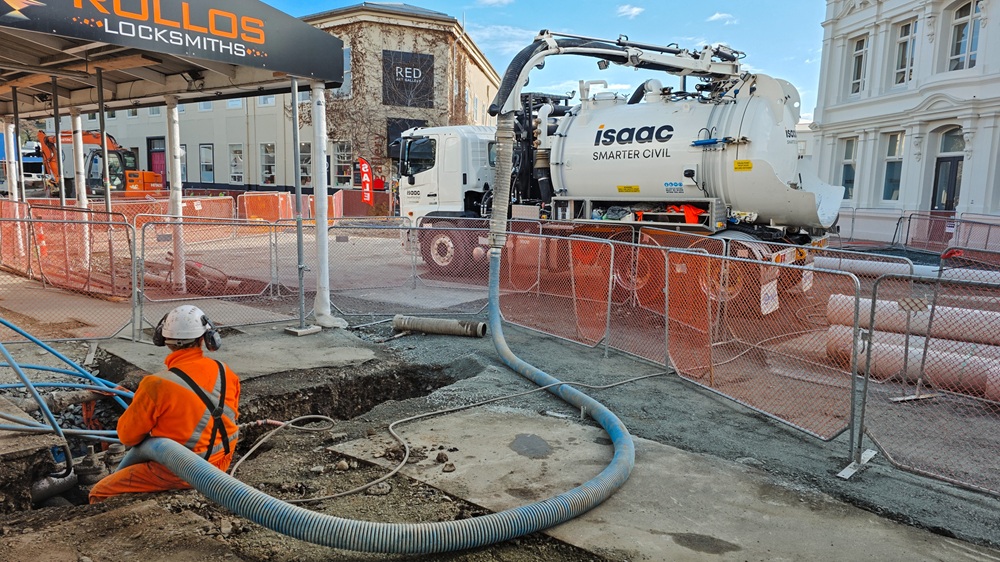
New Zealand job sites carry more buried risk than most contractors realise. Strike a live power cable and the result can be a fatal electric shock. Damage a gas main and you risk fire or an explosion, sometimes hours later as gas migrates through the surrounding ground. Water and wastewater pipes fail differently: high-pressure damage can injure workers on the spot, flood a site, and contaminate the ground around it. Fibre-optic cables carry a less obvious hazard too, with WorkSafe warning that exposure to the Class 3B lasers inside a damaged line can harm eyes and skin, on top of cutting the communications networks whole communities rely on. None of this is rare on ageing, inconsistently mapped networks. It's the everyday contractor safety risk that hydro excavation exists to remove.
WorkSafe New Zealand treats service strikes as a leading cause of serious harm, and ageing networks with inconsistent as-built records make it worse. Services like Before U Dig NZ are a mandatory starting point for utility locating, but WorkSafe is explicit that plans aren't a perfect depiction. Actual depth and position can often differ to what the plans show. It’s not a matter of working by feel, either; mechanical plant applies force indiscriminately, so even careful operators can't feel what's beneath the bucket until it's too late.
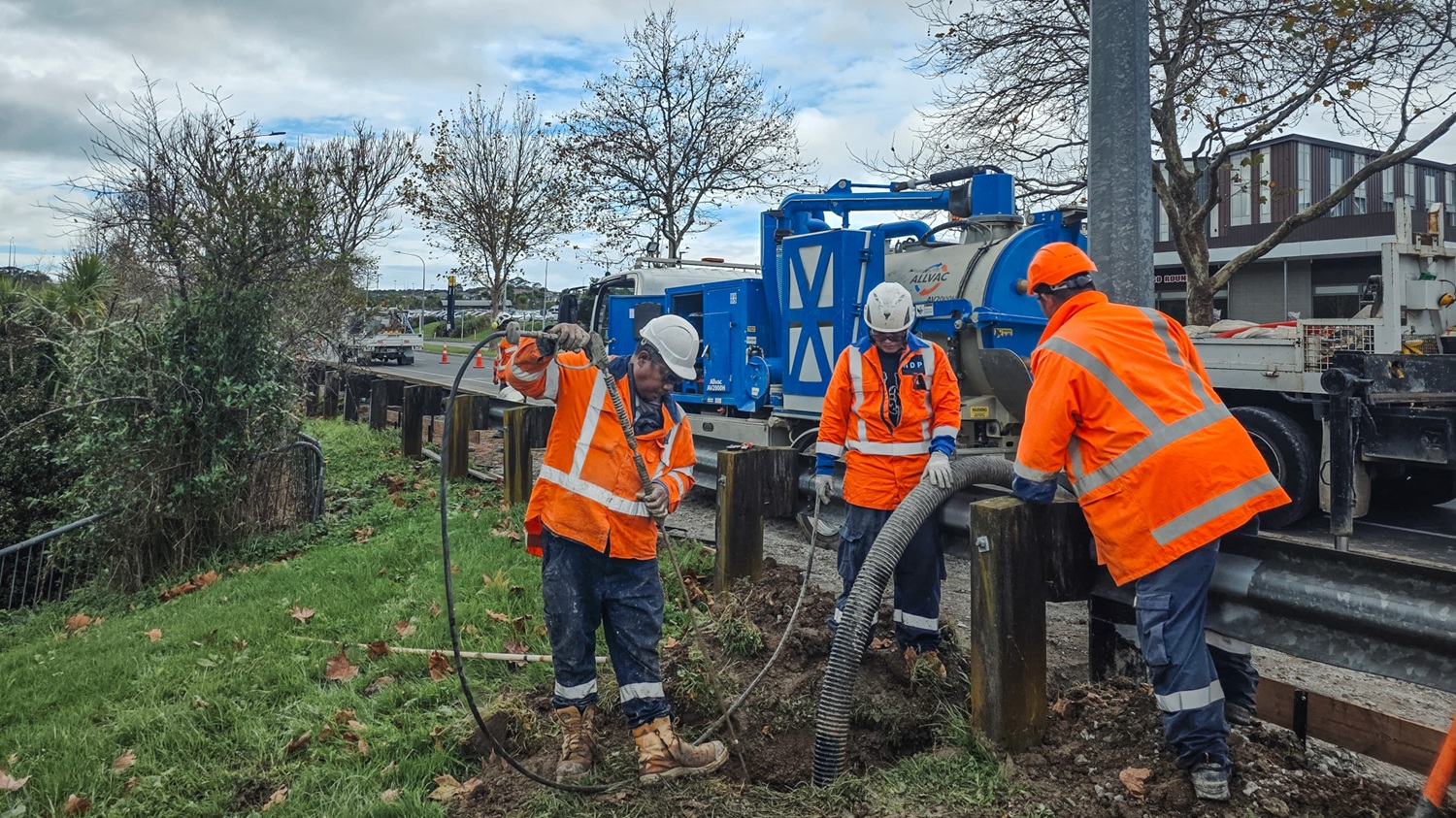
This is where non-destructive digging changes the equation. Our Allvac® hydro excavation range pairs a pressurised water lance with a high-capacity vacuum system, breaking up soil and lifting the resulting slurry away without ever applying mechanical force to whatever's underneath it. An operator can work right up against a live cable or pipe and stop the moment it's exposed, because the method itself can't crush or puncture what it touches. That's what sets hydro excavation services apart from a digger or a bucket: the precision comes from how the tool works, not only from the skill of the person holding the controls.
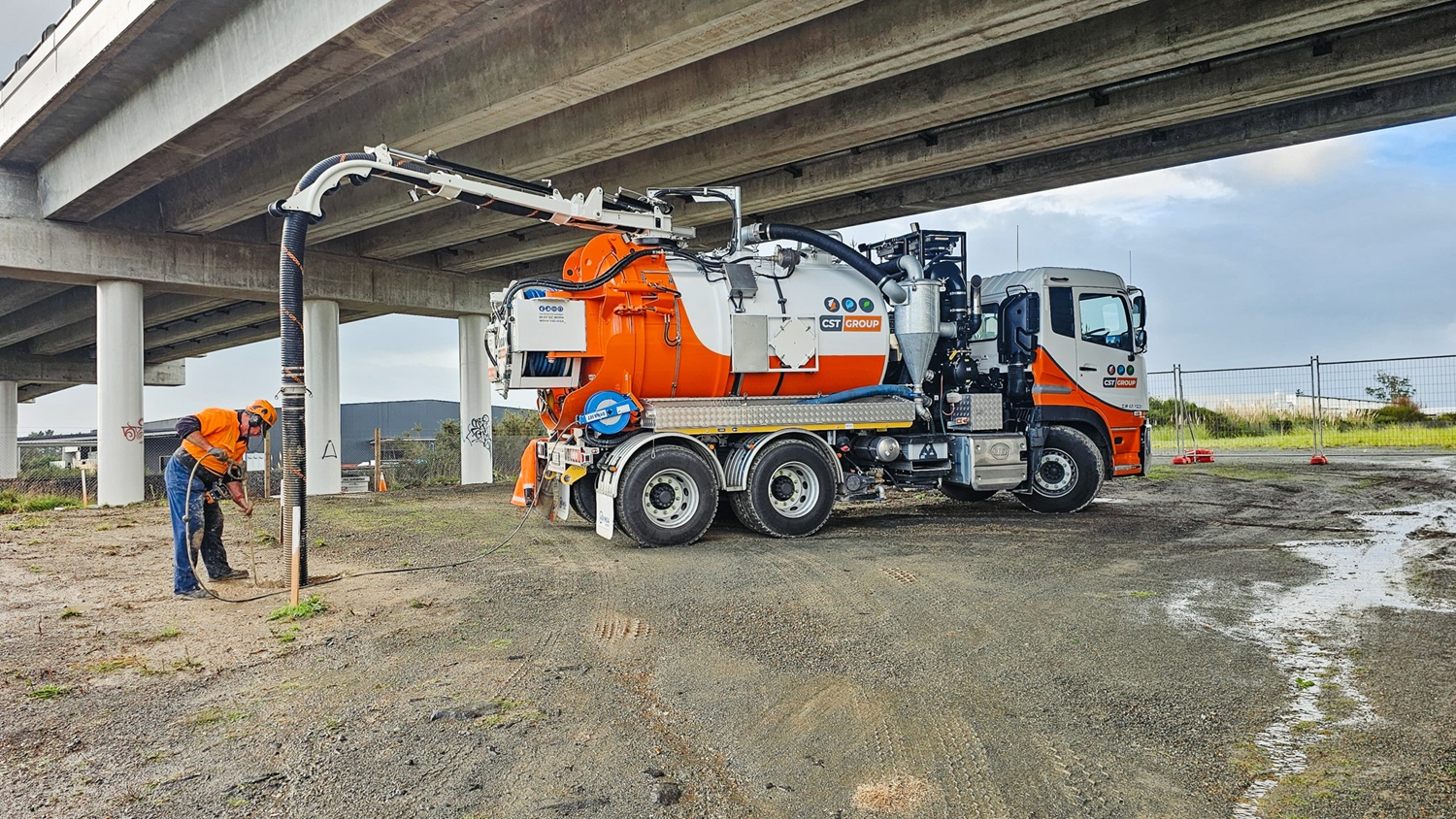
For contractors, the payoff is straightforward. Every strike avoided is an outage, an emergency callout, and a delay that never happens, on top of the injury risk it removes for the crew. Pairing an Allvac® with accurate locating information from Before U Dig NZ and a trained, competent operator gives contractors the strongest practical defence against a strike: good information going in, and equipment that can't do damage even when that information turns out to be slightly wrong.
Non-destructive digging is the safer option, and it's the more reliable way to work near live services anywhere in New Zealand. With an Allvac® on site, operators get the reassurance that comes from knowing they won't damage a service or injure someone while exposing it, and contractors get a job that stays on schedule instead of turning into an incident report.