
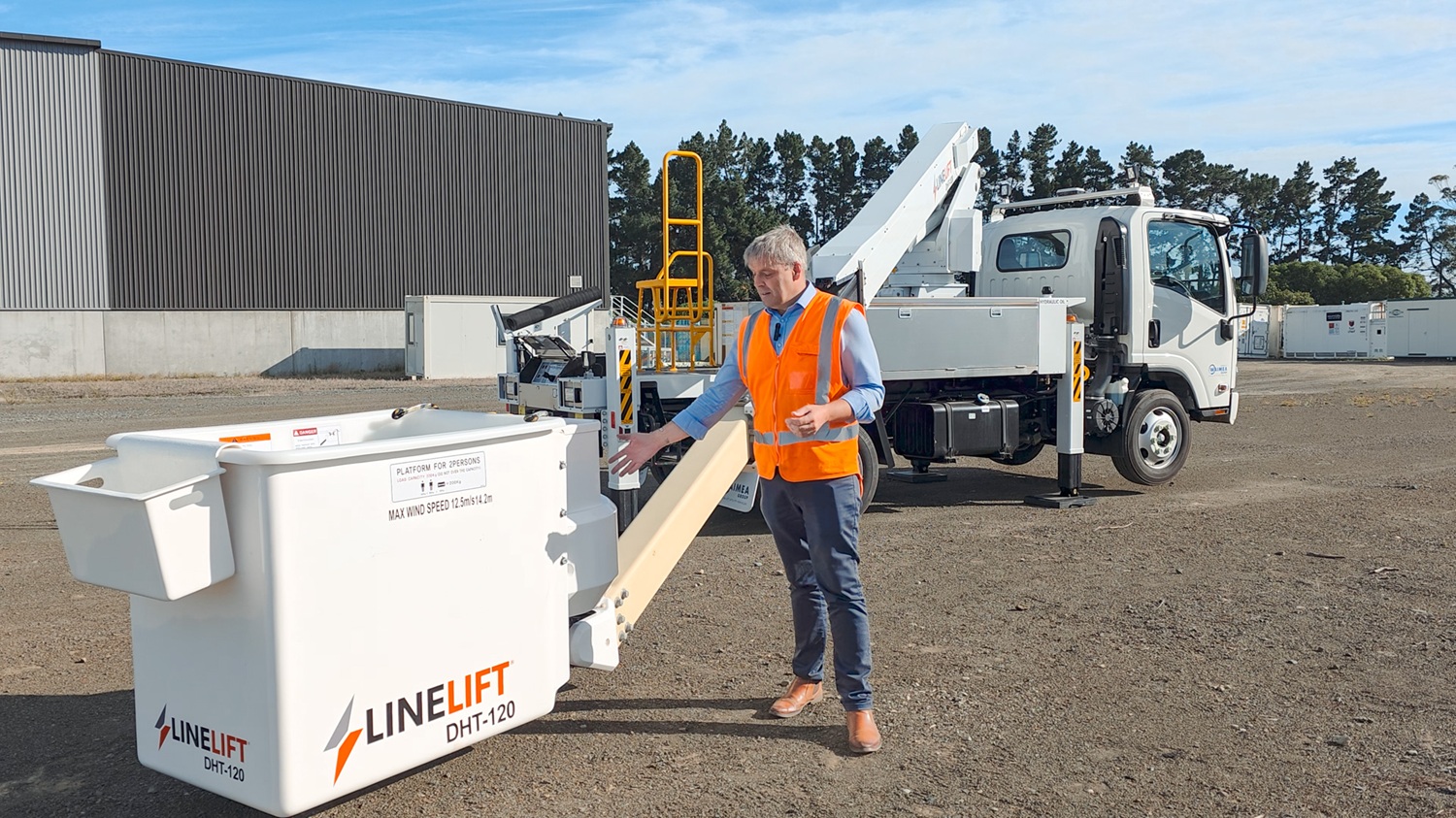
How do you ensure your Linelift® EWP bucket battery stays charged?
To keep your Linelift® bucket battery charged, the boom must be fully retracted and resting on the boom rest. In this position, the bucket reconnects to the truck’s electrical system to recharge while driving or idling. To avoid a flat battery, do not isolate the battery at the end of a shift; instead, allow the truck to provide a controlled trickle charge overnight.
Every part of a Linelift® EWP truck plays a vital role in safe and reliable operation, and that absolutely includes the bucket battery.
While a Linelift® may appear to be one complete, well-engineered unit, it doesn’t actually operate as a single system. The truck and the boom function through separate electrical systems, and understanding that distinction is essential to keeping your specialist utility vehicle job-ready.
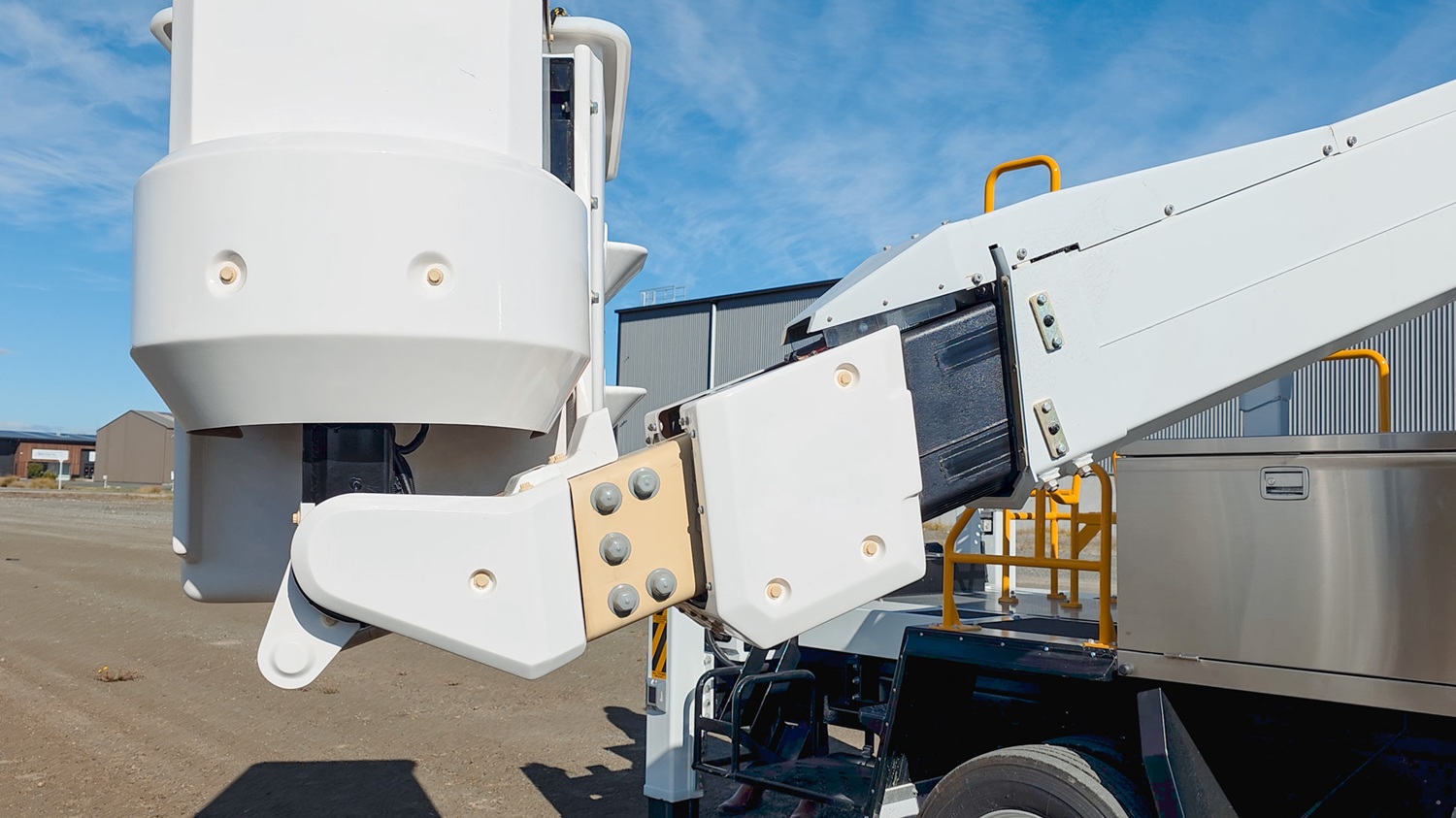
The chassis (truck) and the bucket are independent of one another in how they operate. The bucket runs on its own dedicated battery, located beneath the bucket cowling. For the boom to operate correctly, that battery must have sufficient charge, making proper battery management an important part of daily operation.
When the boom is extended, the charging contacts between the bucket and the truck’s system are separated. At that point, the bucket operates solely on its own battery and is no longer receiving charge from the truck.
As the bucket (EWP) is used throughout the day, the battery’s voltage will naturally reduce. If it isn’t given the opportunity to recharge, this can quickly become a problem, particularly for the next operator or the following day’s work schedule.
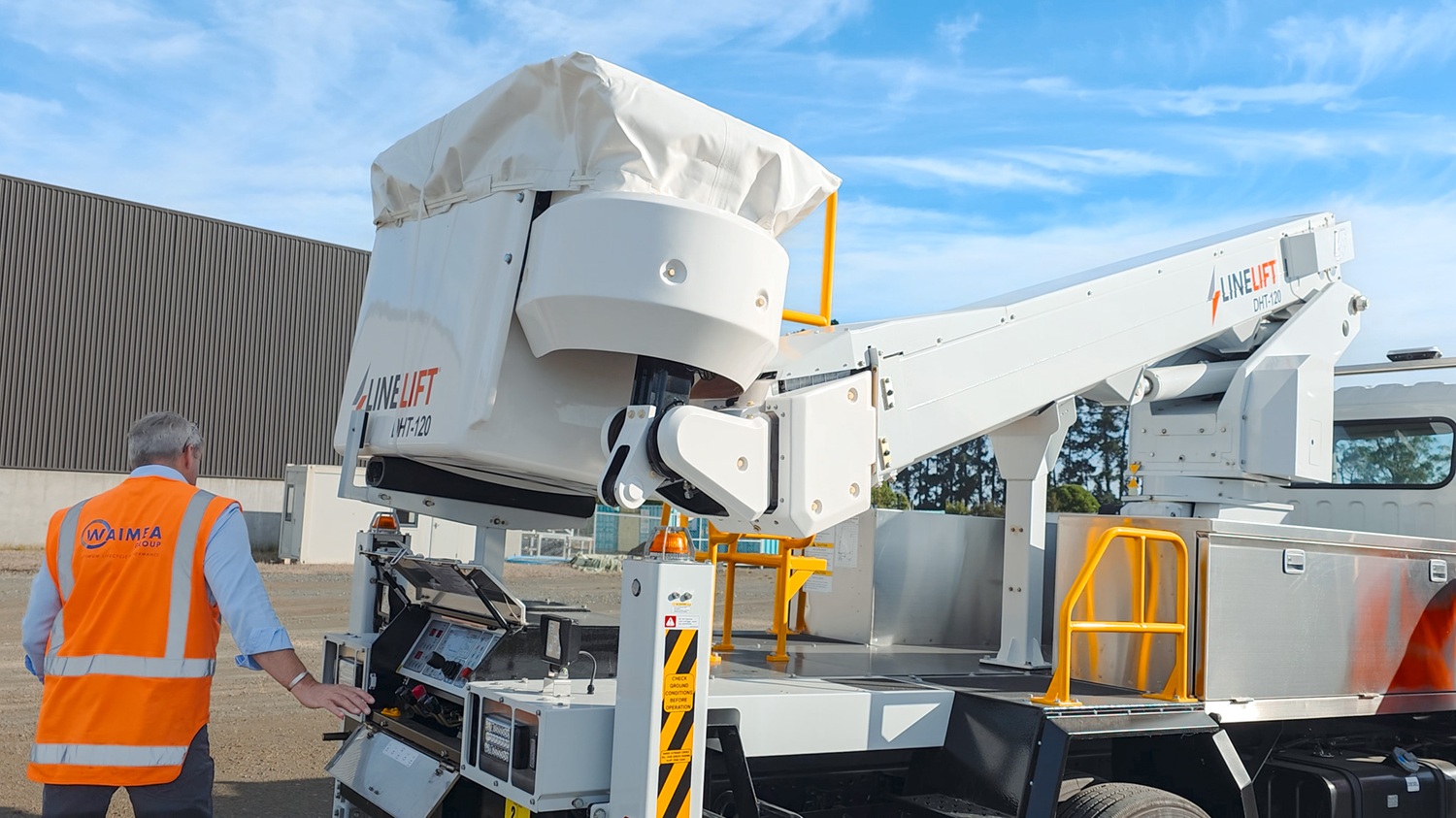
The key to maintaining battery performance lies in what happens when the boom is fully retracted and resting back on the boom rest.
In this position, the bucket reconnects to the truck’s charging system. The bucket battery can then recharge while the truck is running, while it is being driven between jobs, and even when the engine is switched off through the truck’s batteries.
This design provides a significant advantage. It allows operators to conserve and restore battery power simply by ensuring the boom is correctly stowed when not in use, particularly during travel time.
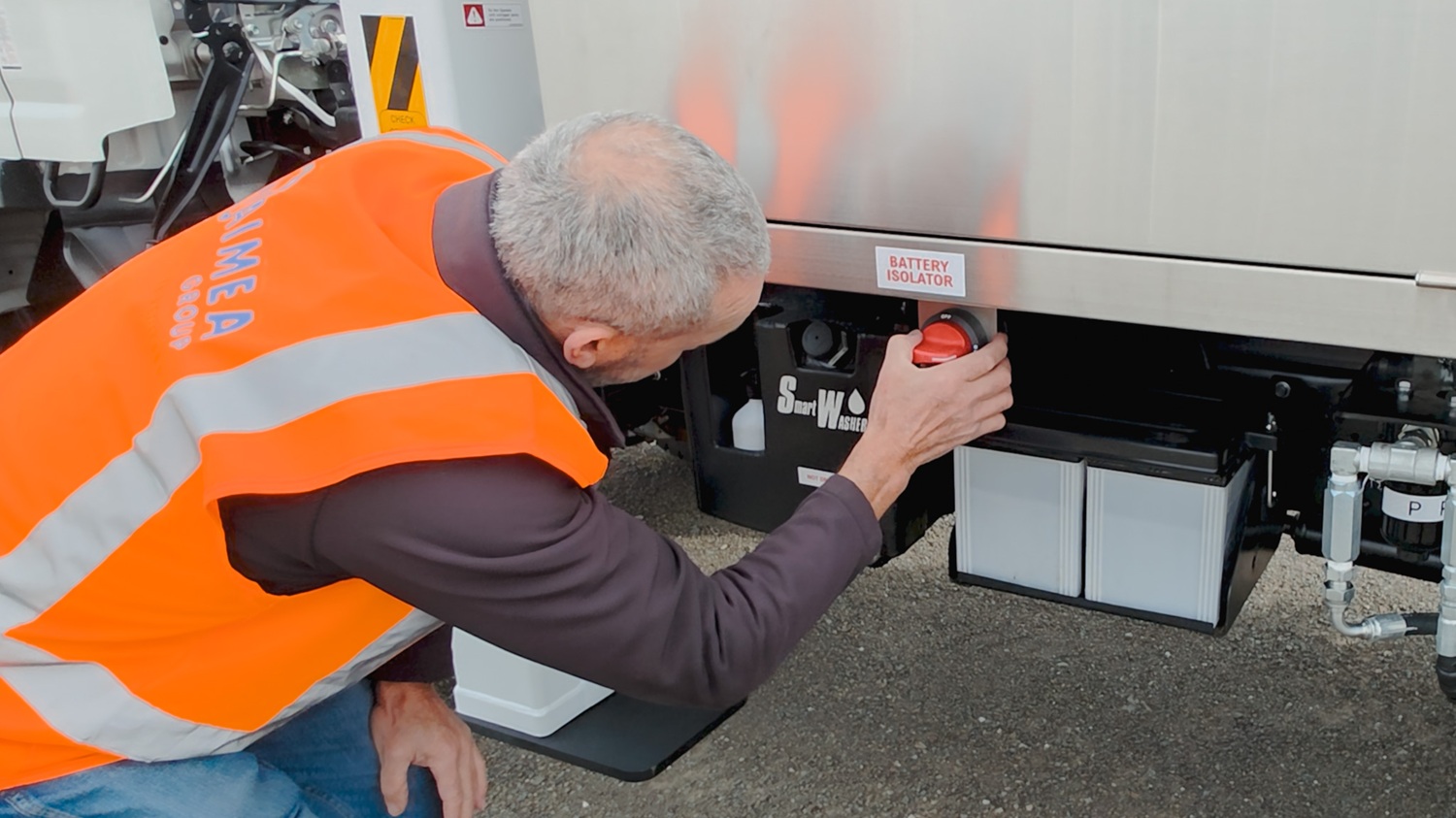
It’s common for operators to isolate the battery as soon as they finish operating the boom, believing this will preserve charge. In reality, isolating the battery too early prevents it from recharging during the drive back to the yard.
The result can be starting the next day with a partially discharged bucket battery, something that could easily have been avoided.
As a general rule, the bucket battery should not be isolated unless a battery change is being carried out.
When returning to base and planning to use the EWP again the following day, the truck batteries should not be isolated.
Once the truck is turned off for the night, the bucket battery and the spare battery continue to receive a controlled trickle charge from the truck’s batteries. This charging system is designed to automatically switch off when the truck batteries reach 24.3 volts, ensuring there is still ample power available for starting the vehicle in the morning.
It’s a smart, built-in safeguard that protects both the EWP system and the truck itself.
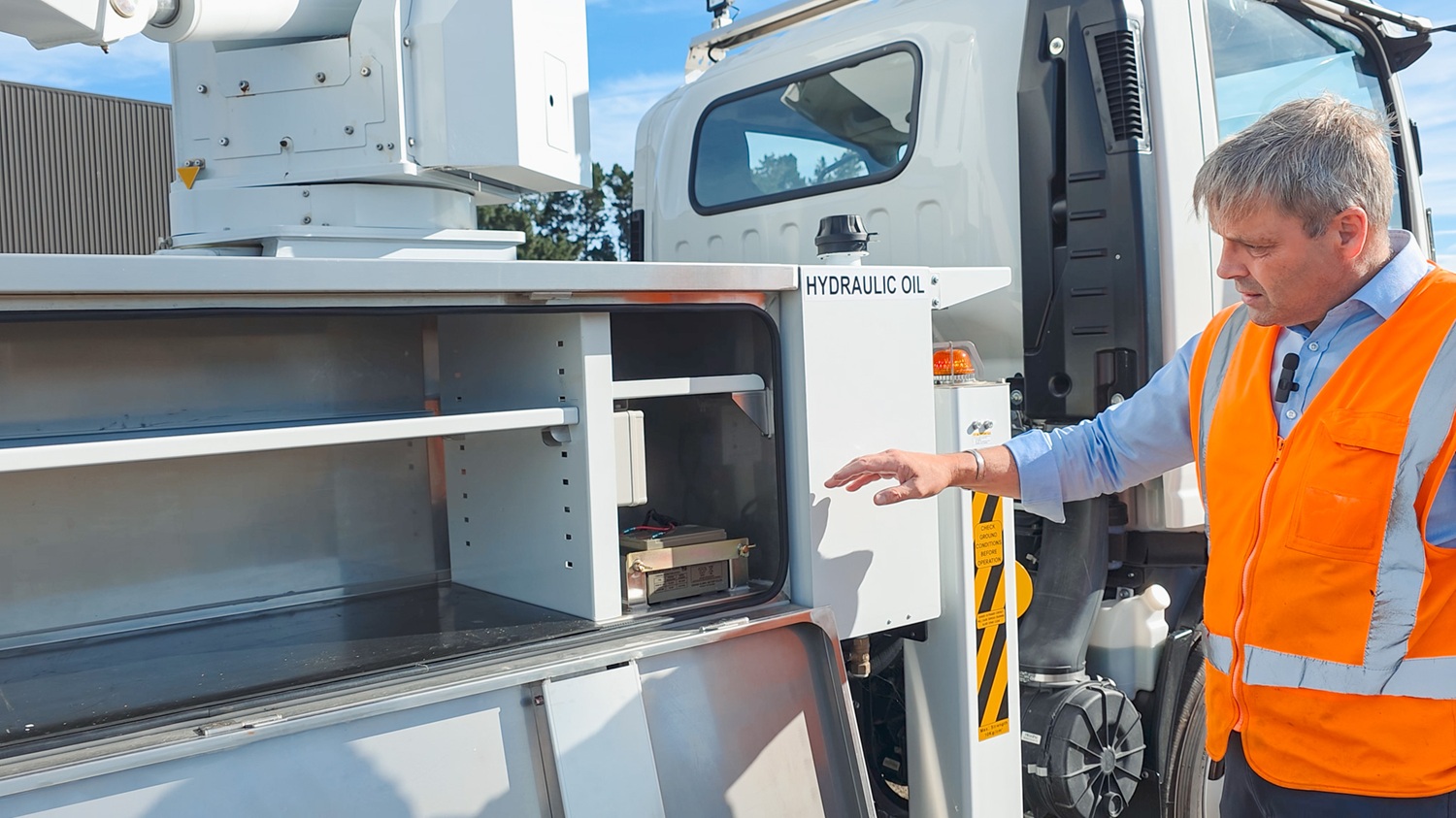
Checking battery charge levels at the beginning of each day is a simple but important step. The bucket battery level can be checked directly from the bucket, while the spare battery can be checked from ground level. These quick inspections help prevent unexpected downtime and give operators confidence before heading out to site.
Every Linelift® is supplied with a fully charged spare battery stored securely in the toolbox. This spare remains on charge and can be swapped in at any time, ensuring that operators are never left without power during a job.
It’s another example of Linelift’s practical design - built to keep work moving.
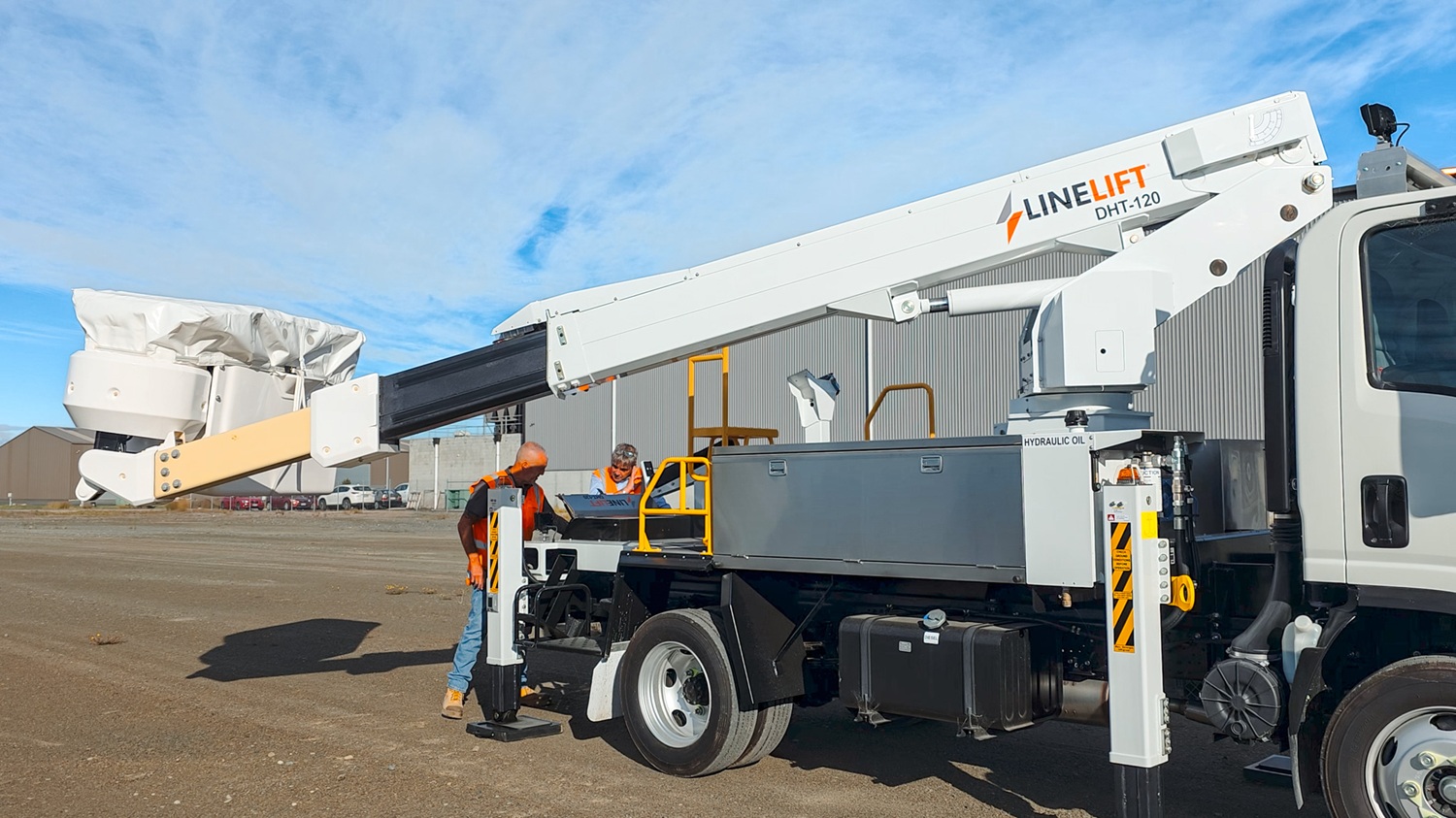
At Waimea, we understand how critical reliable power is to your operation. From replacement batteries to battery life testing and expert support, we provide practical solutions to help keep your Linelift® performing at its best. We’re here to help keep your bucket truck powered, reliable, and ready for the work that matters.