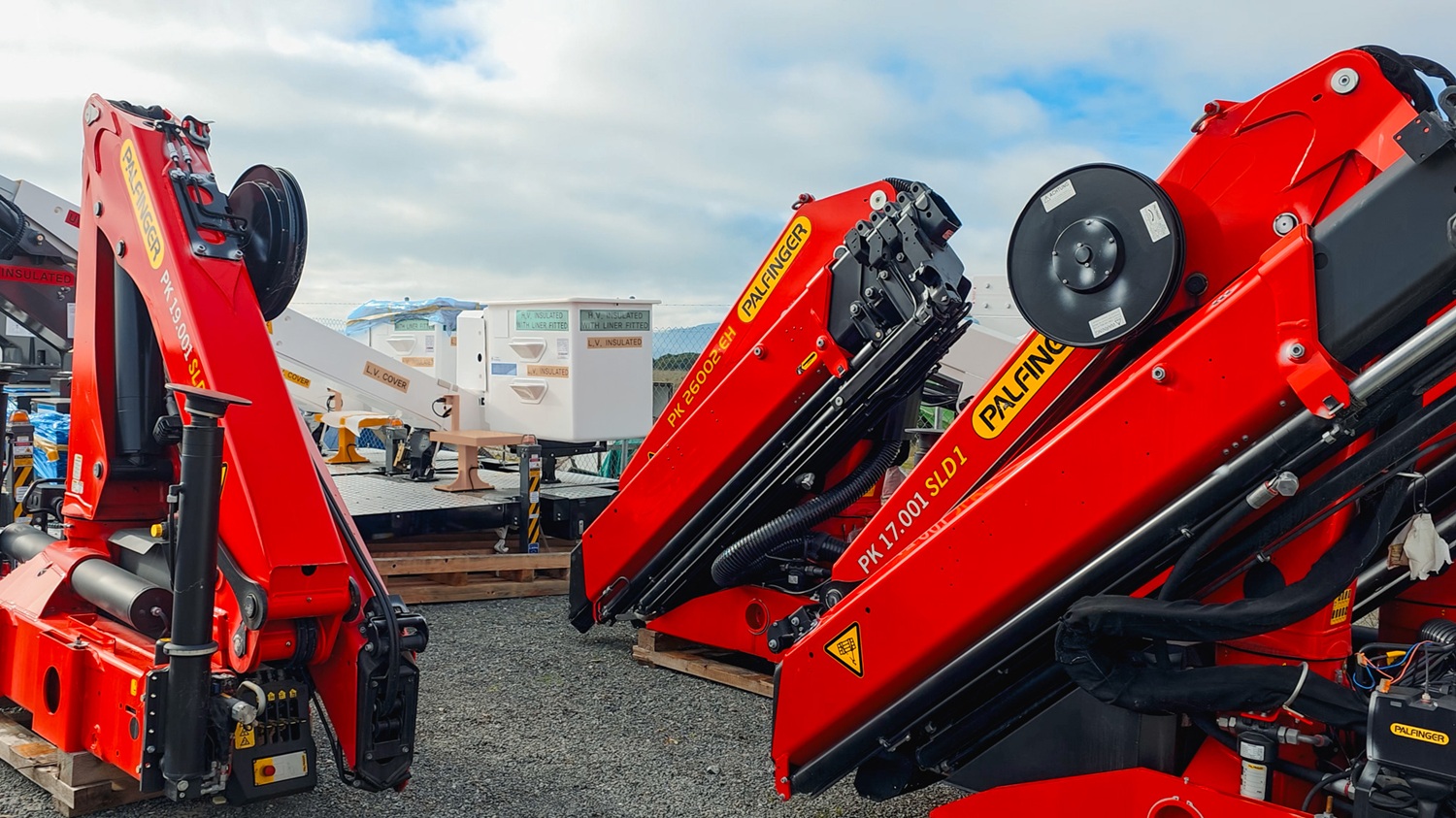
When you’re looking for a lines crane unit, a bigger crane isn't automatically a better choice. Oversize the spec and you're carrying cost and weight you'll never draw on; undersize it and you'll hit a wall on reach or lift the first time a job demands more. There are three factors that can settle the decision, which we break down below!
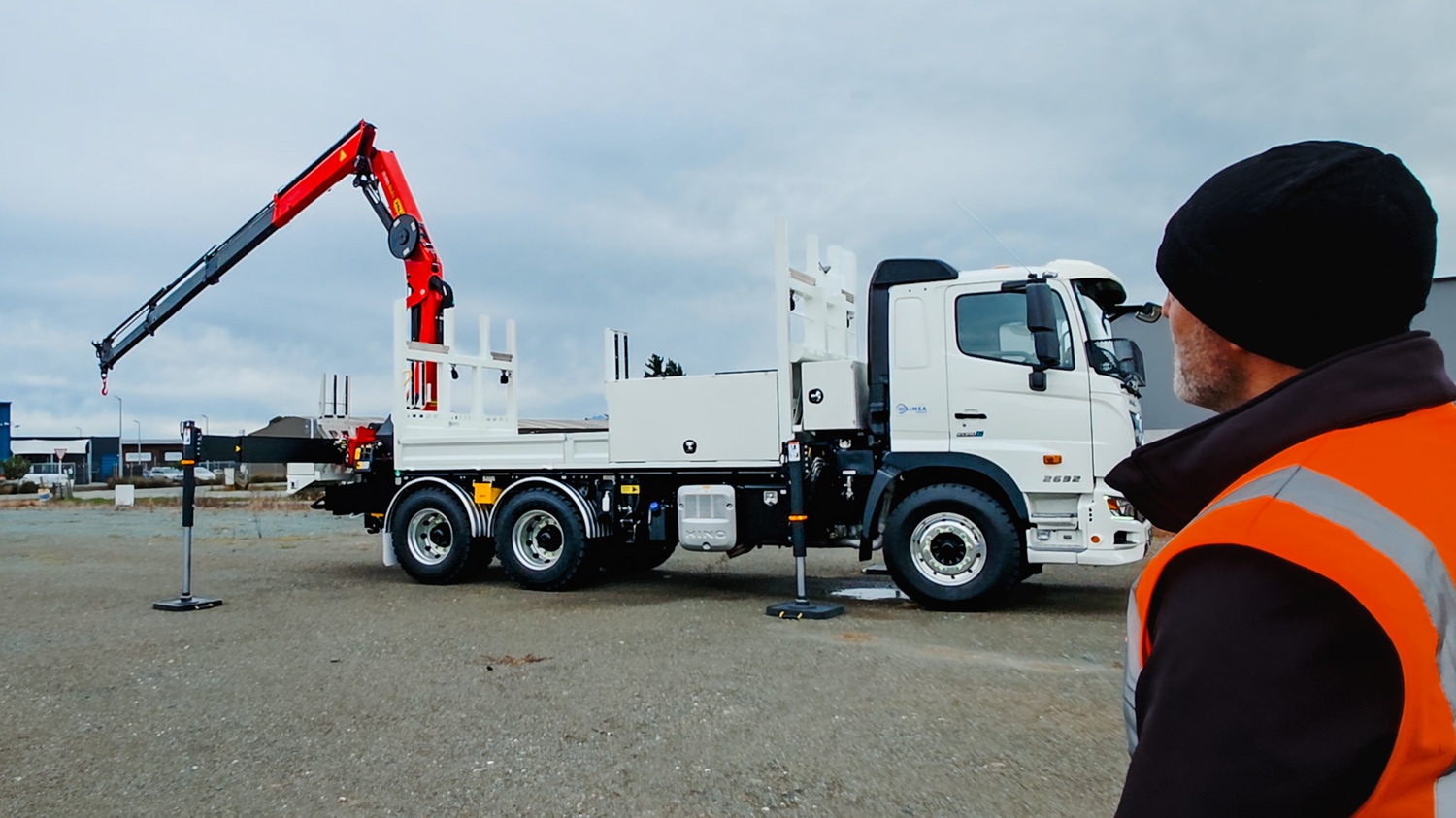
Working out the right crane is a matter of three questions. First, the all-important reach. Second, the actual weight you'll be lifting at that distance. And third, whether you need HPSC (short jacking capability), which matters on sites where outriggers can't be fully extended. Nail down those three, and the shortlist gets shorter fast. Here are your options:
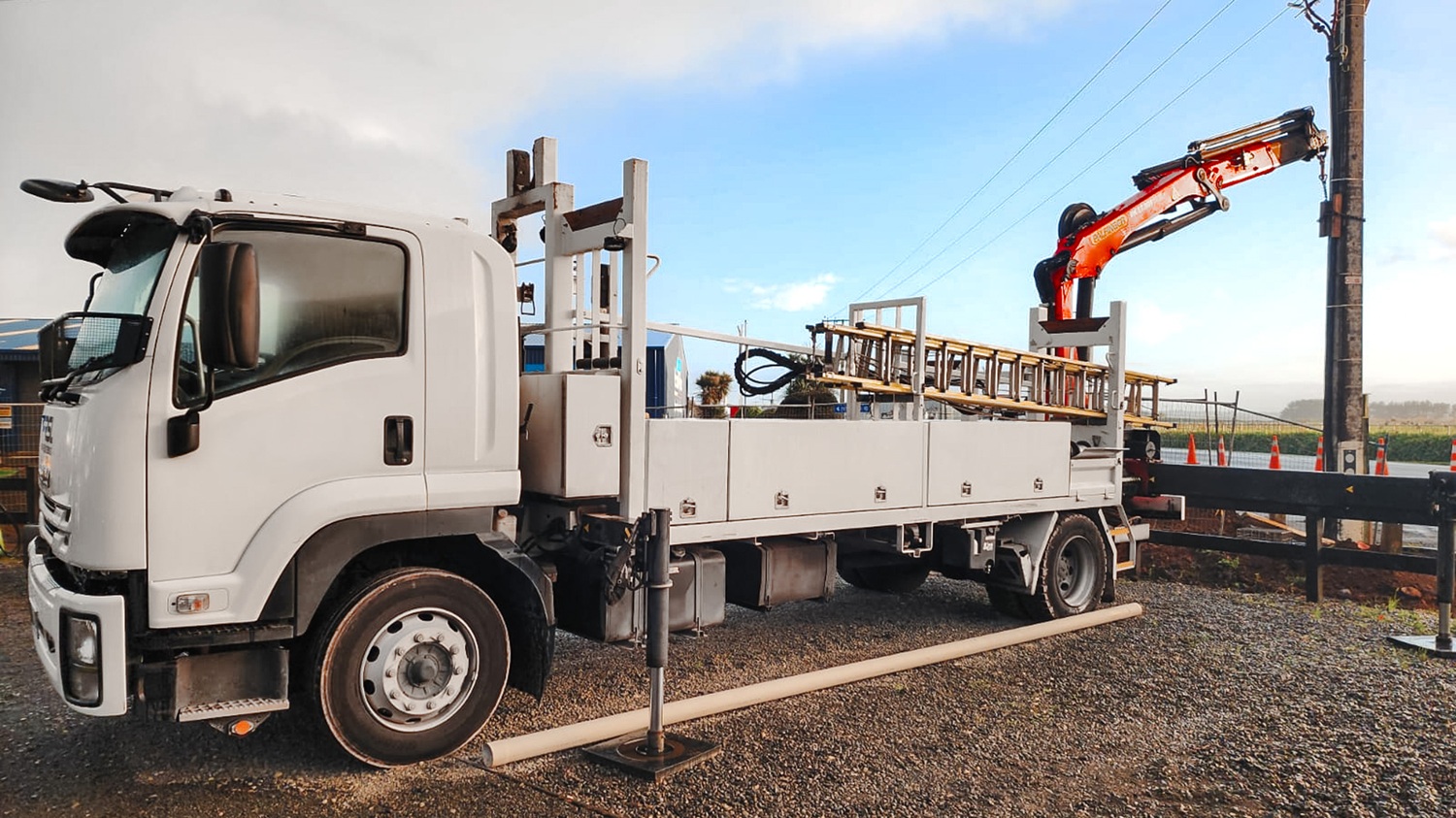
Sitting on a 4x2 or 4x4 chassis, the Palfinger PK17 skips HPSC altogether, so safe leg placement comes down to the operator's judgement rather than the crane's electronics. In exchange, it delivers a 14 metre reach and lifts up to 3.5 tonnes, a solid fit for crews with consistent, experienced operators and predictable outrigger setups.
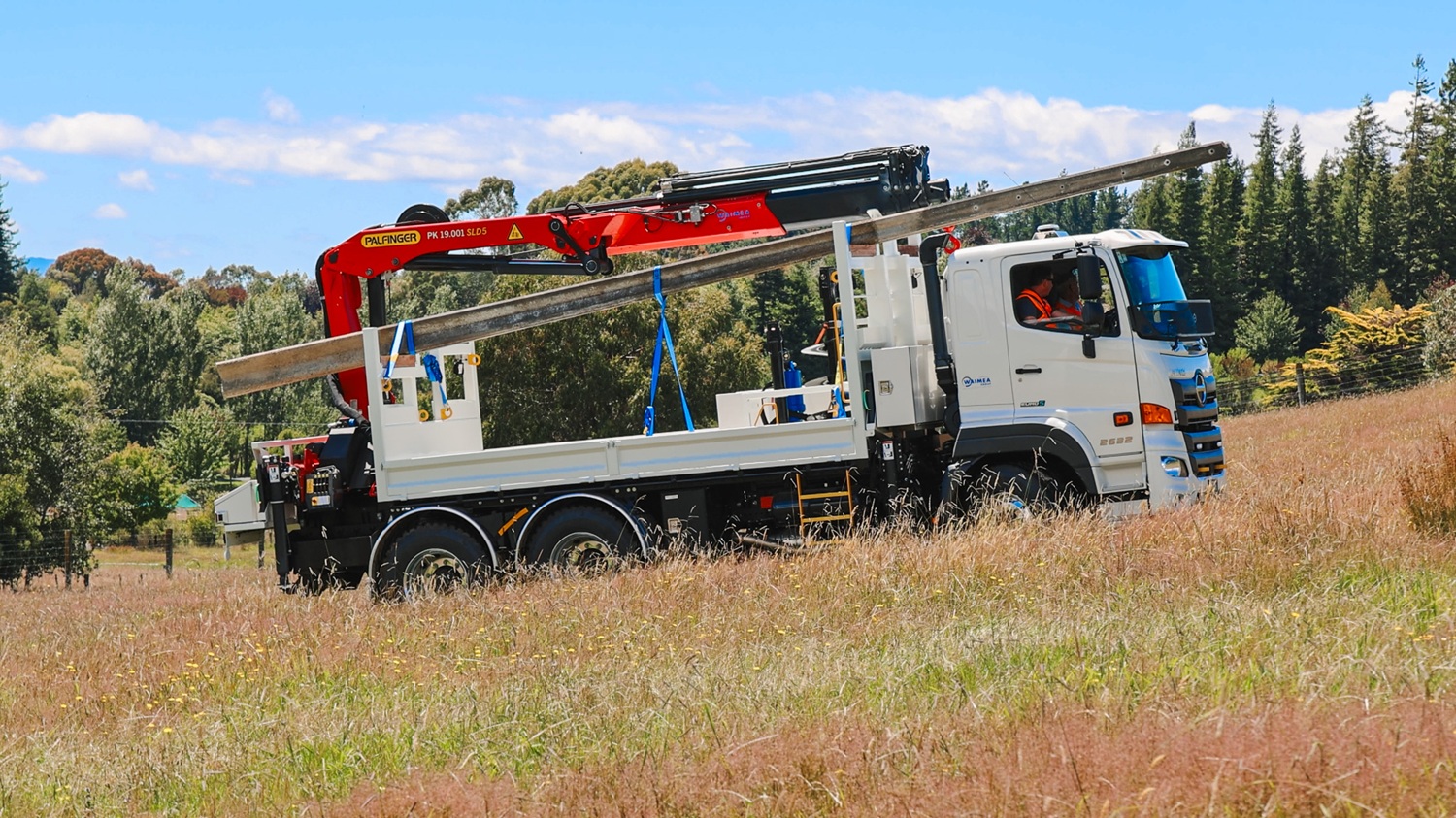
Size-wise, the Palfinger PK19 is the PK17's twin, but HPSC changes the equation. With the crane tracking its own leg position and adjusting lift and stability automatically, the risk drops without adding operator workload. The trade-off runs the other way too: capacity climbs to 4.15 tonnes while reach holds at 14 metres.
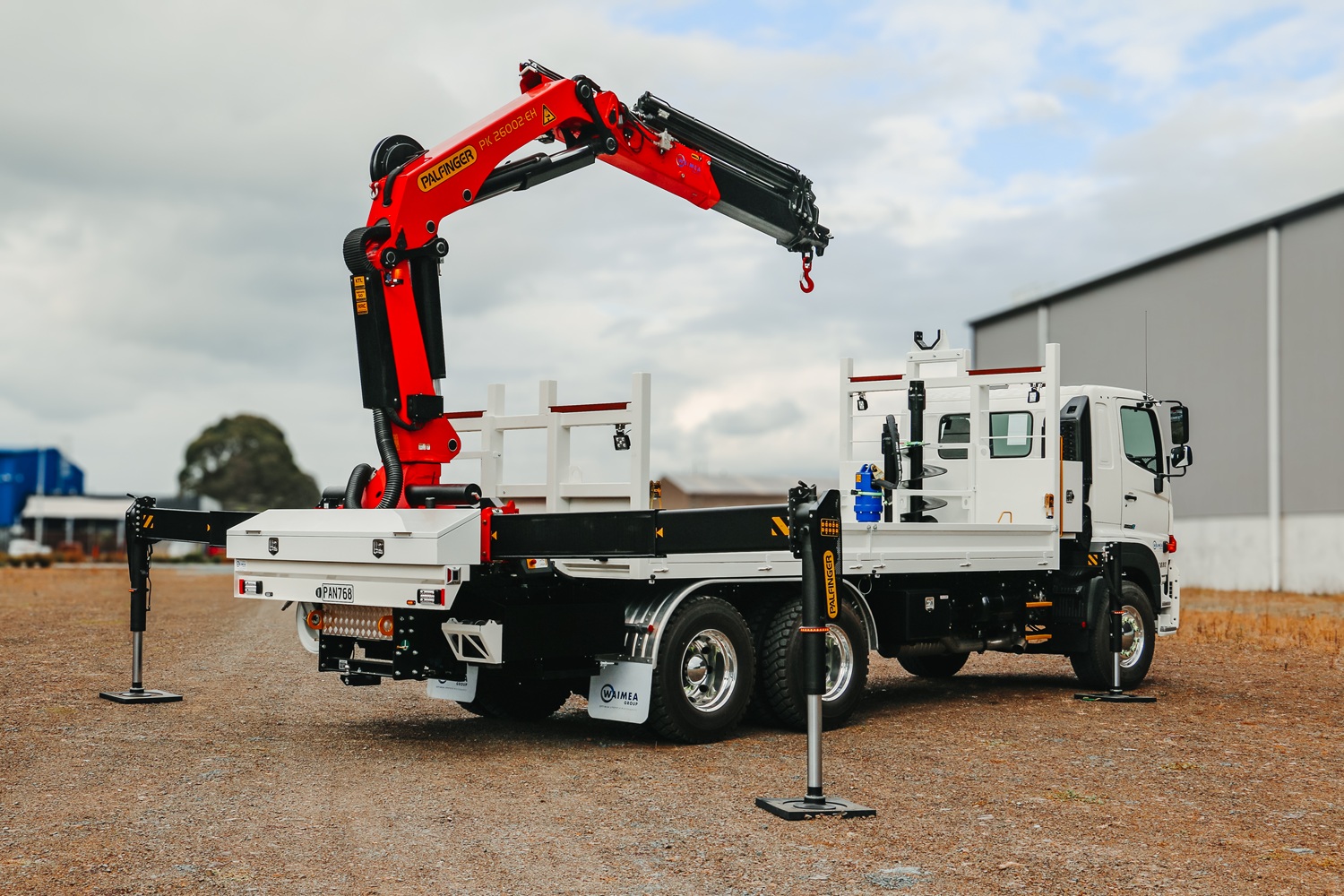
Move up to the Palfinger PK26 and HPSC comes standard, but this one is built for a 6x4 rather than the smaller platforms. Two 6x4 wheelbase lengths are available, and the shorter of the two is much the same length as a 4x4 if you’re needing something compact. Reach on the PK26 jumps to a massive 16.7 metres and capacity to 5.2 tonnes, giving it the capability for demanding jobs such as dual pole installations.
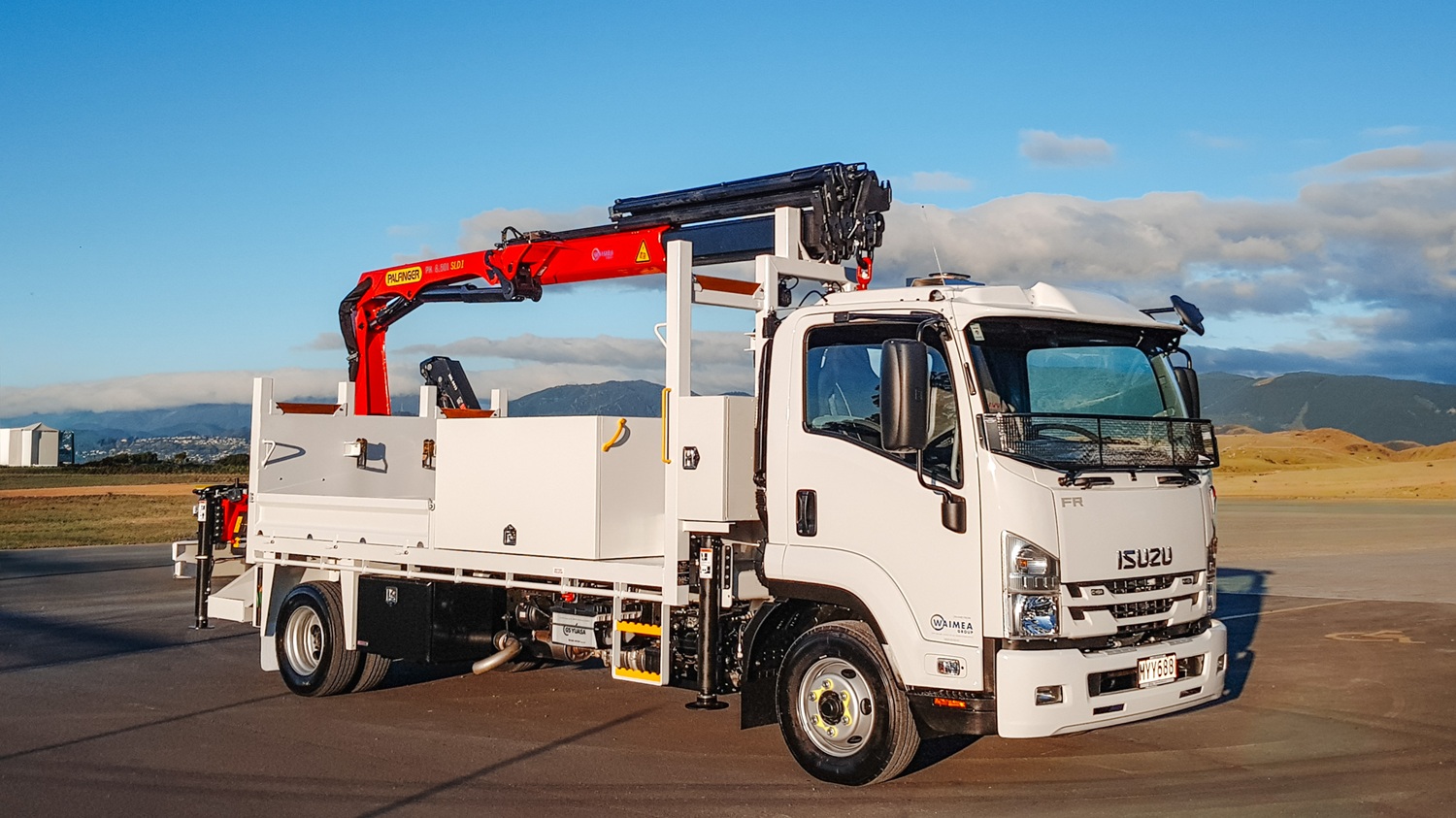
Finally, we go for the smaller option. The Palfinger PK8.5 is purpose-built for street lighting poles and pairs naturally with a 4x2. HPSC is optional here rather than fixed, so the choice comes down to your own health and safety requirements. Specs sit at 13.7 metres of outreach and 2 tonnes of lifting capacity.
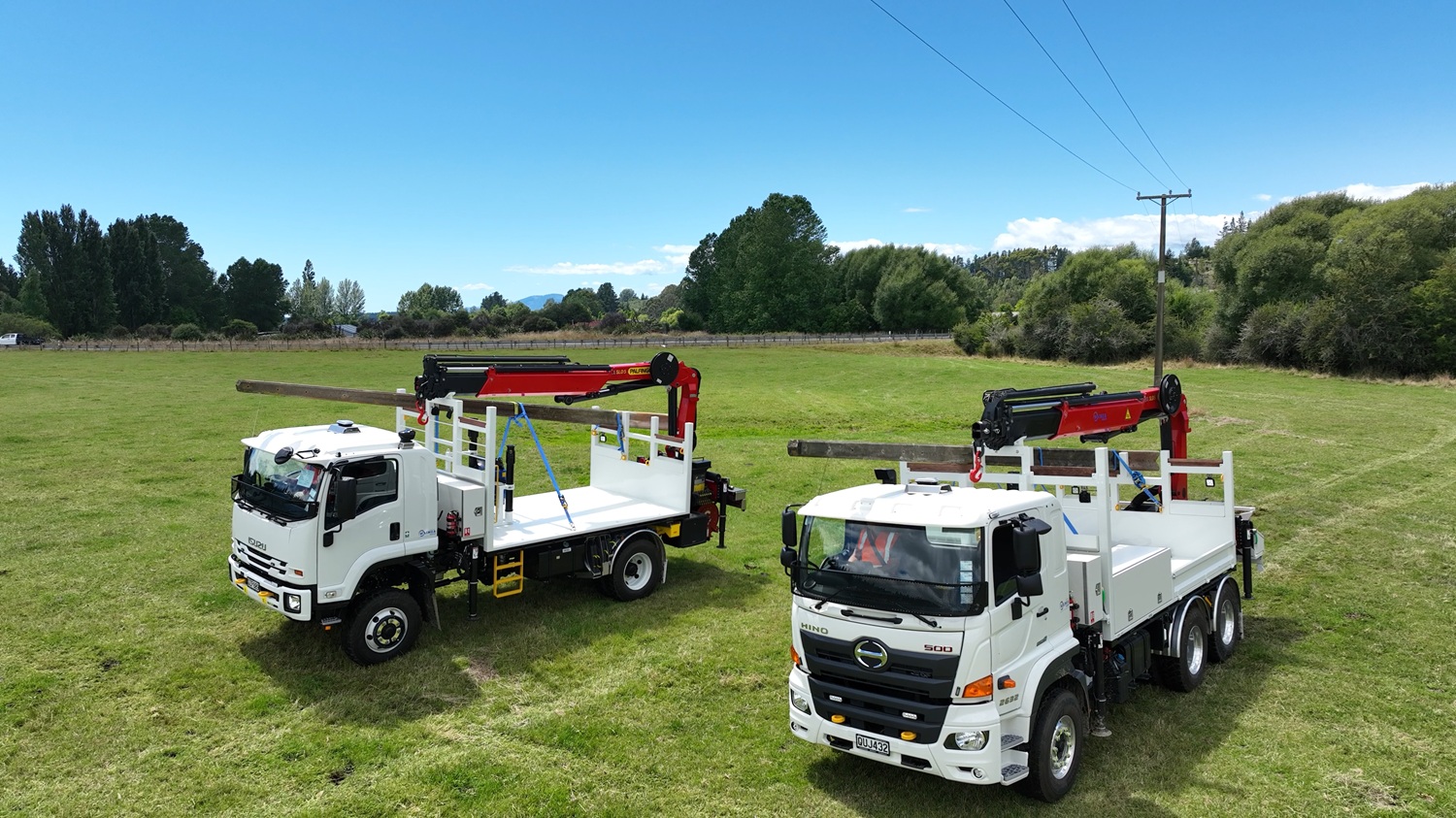
A practical way in is to start with thinking about where you operate. Off-road jobs favour a 4x4 or 6x4, while urban work suits a 4x2 or 6x4 just as well. From there, layer in your lift and reach needs, then check whether your risk management approach demands HPSC. Answer those in order and the right crane becomes an easy choice.