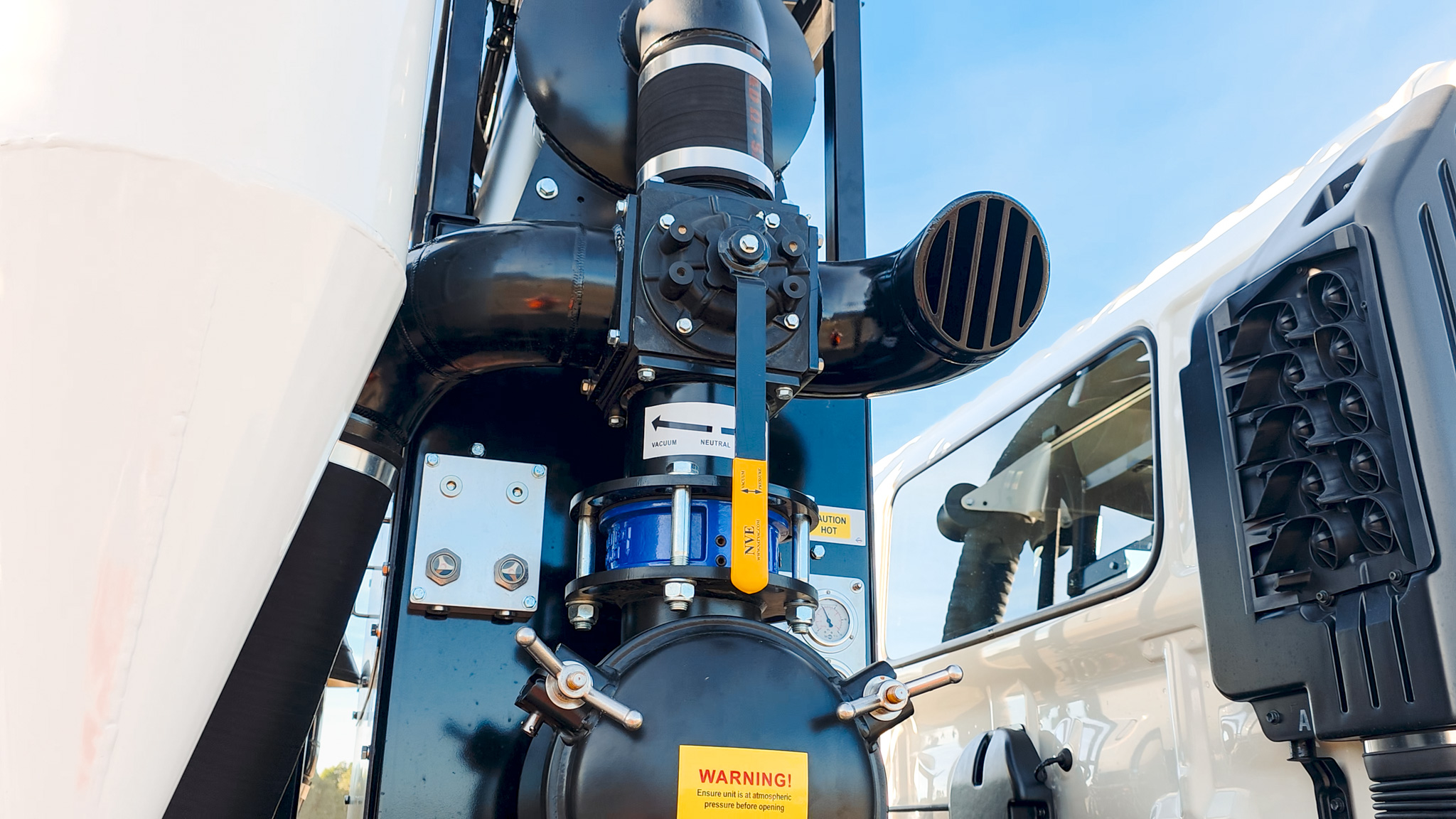
When people think about hydrovacs, vacuum power is usually the first thing that comes to mind. Pulling slurry, spoil, and waste into the tank is a core part of the job, but one of the key advantages of Waimea’s Allvac® hydrovacs is that they can also pressurise the tank. For operators, that means less downtime and a more efficient day on site.
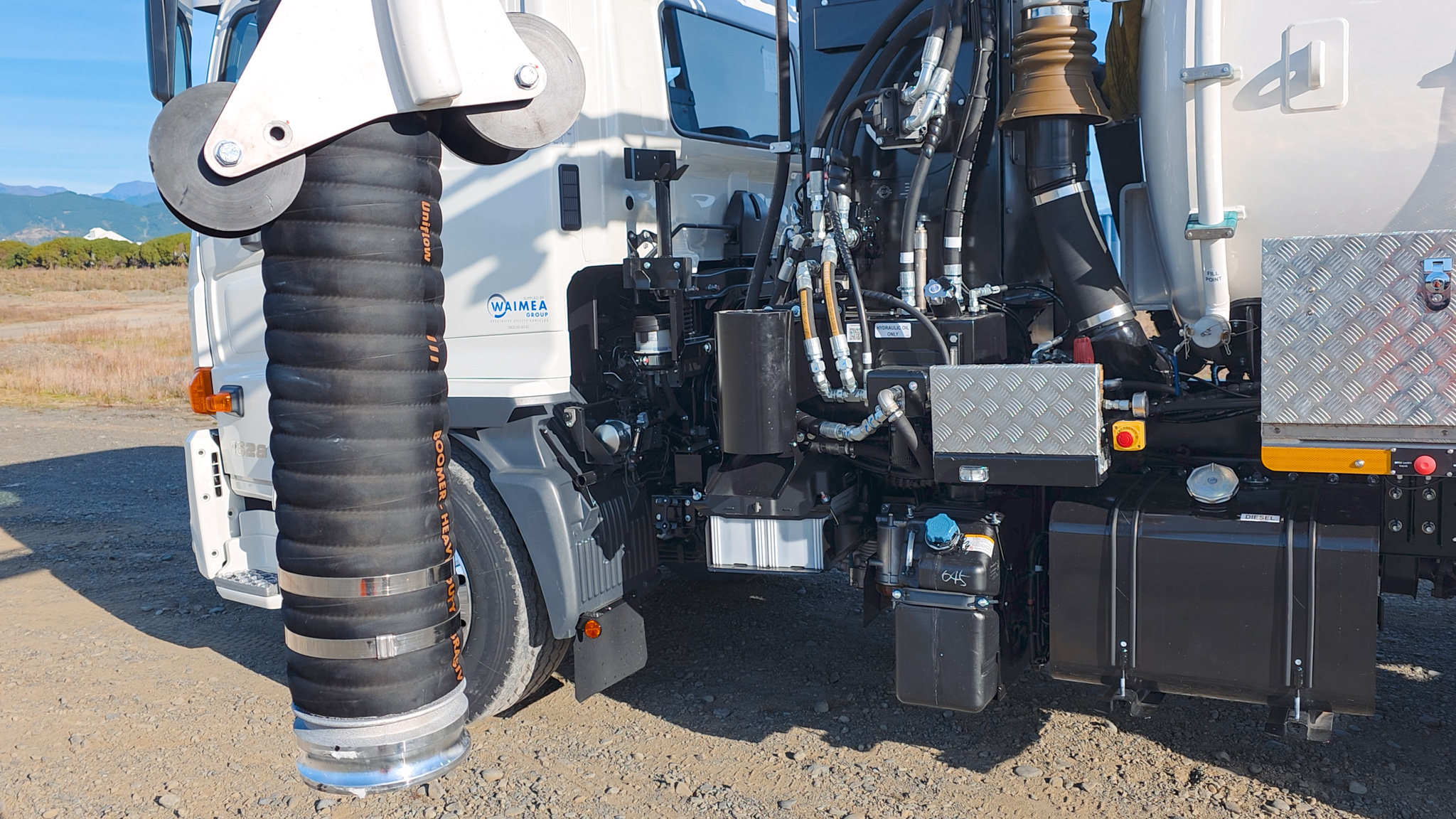
One of the biggest benefits is the ability to clear boom blockages without shutting the truck down. With a traditional vacuum-only setup, a blocked boom can stop work completely and may require the vacuum pump to be shut down before the blockage is cleared manually.
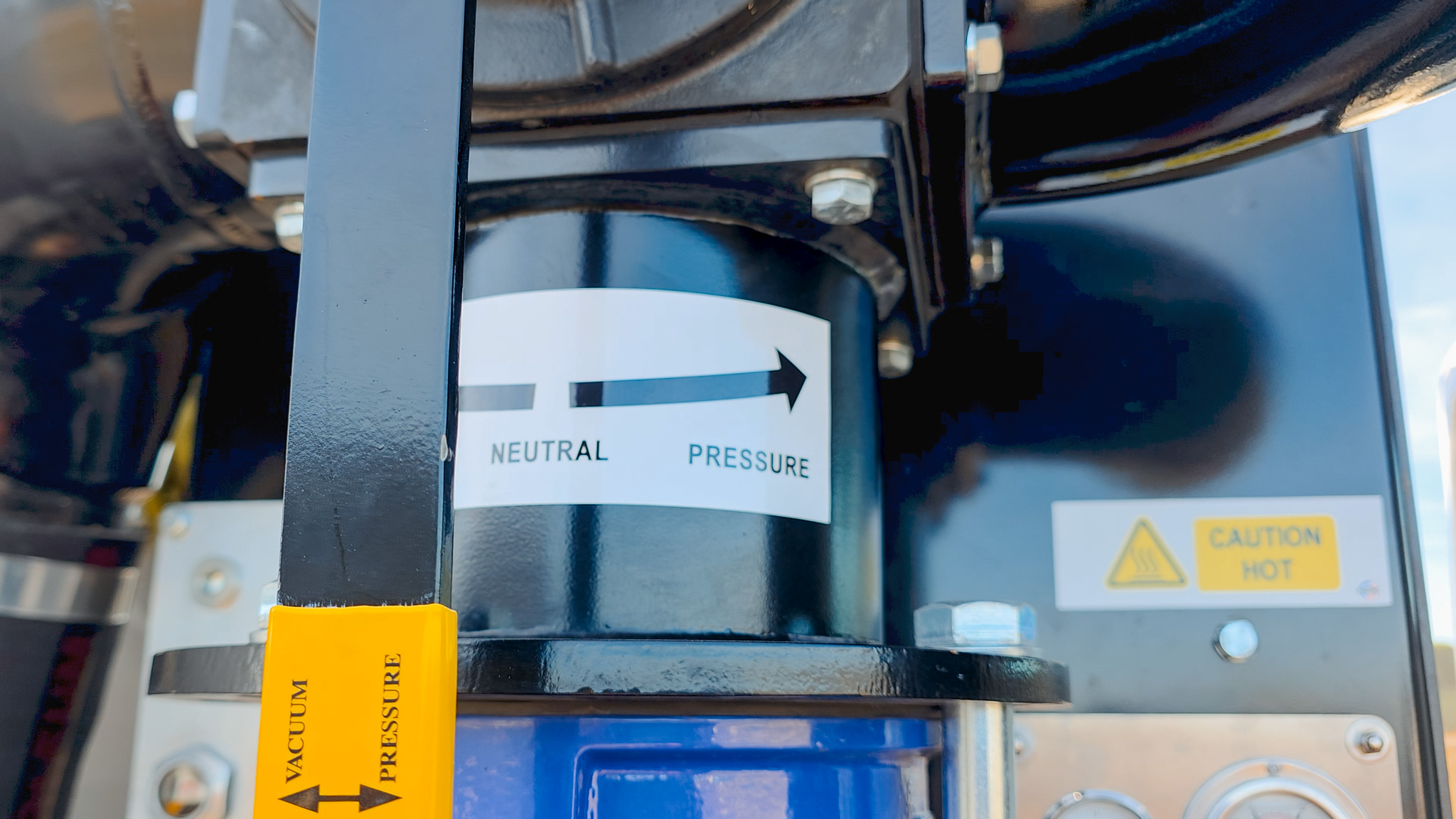
With an Allvac®, operators can simply switch from vacuum mode to pressure mode. Instead of pulling air out of the tank, the system pushes air in, creating controlled pressure of around 5 to 6 PSI. That’s often enough to dislodge most boom blockages on the spot, helping crews get back to work faster.
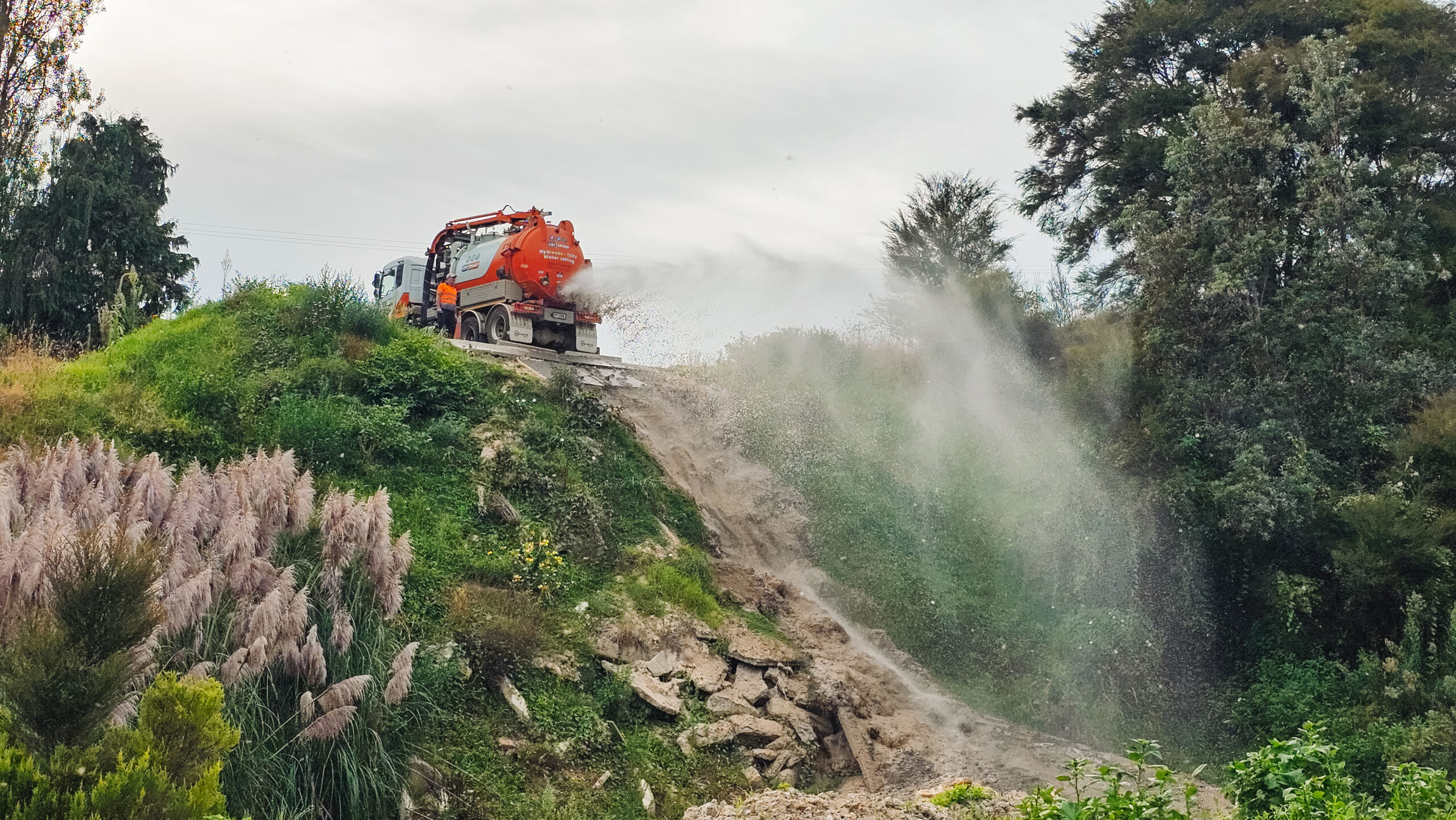
Pressurisation also makes unloading easier, especially when dealing with thick slurry or heavy spoil. Rather than relying on gravity alone, operators can use pressure to help move material through the rear valve before opening the rear door. This speeds up unloading and helps reduce material build-up inside the tank. Check out our previous post about this process here.
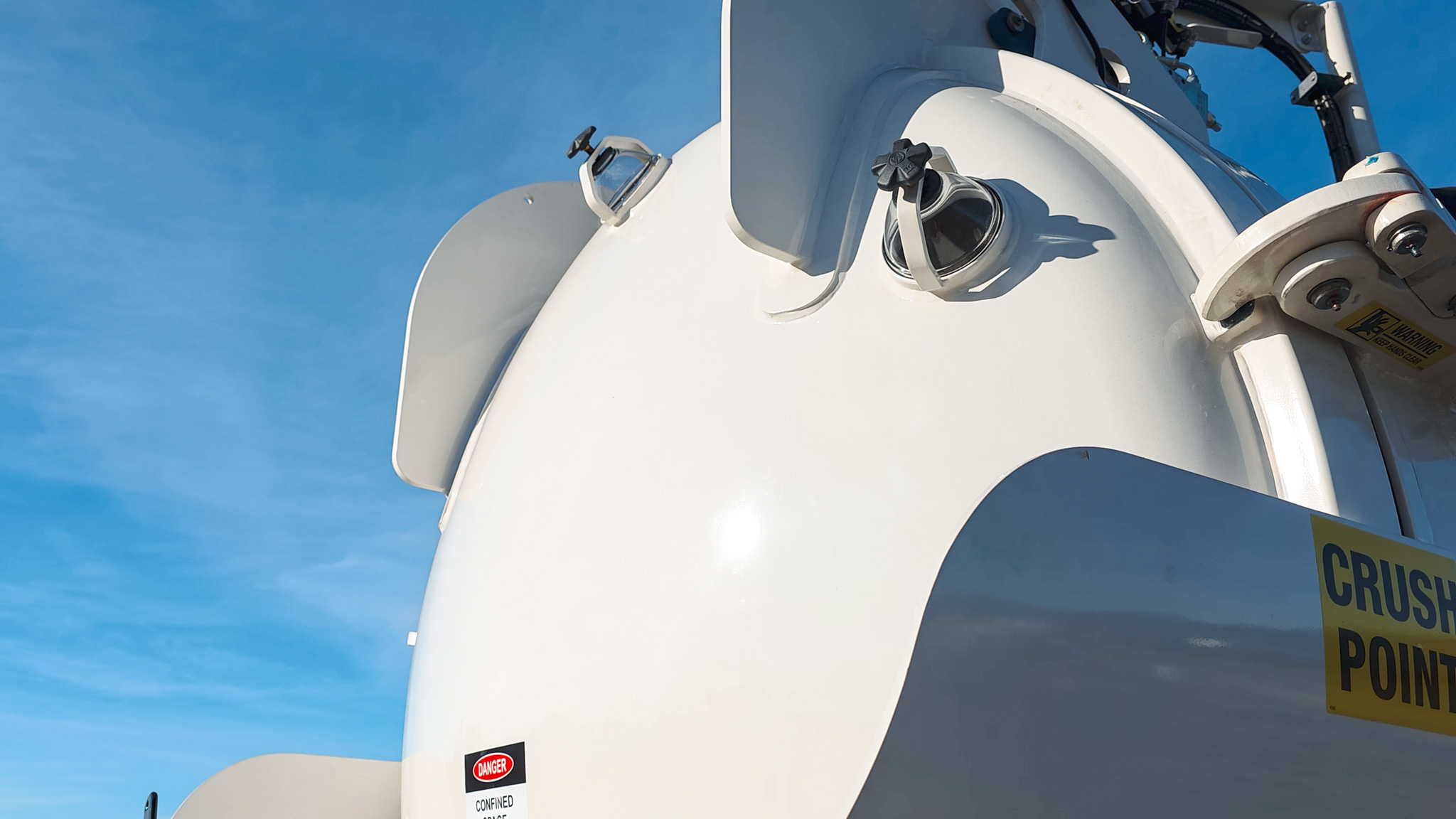
This capability comes down to the tank design. Allvac® tanks feature stronger construction and domed tank ends, allowing them to maintain full vacuum capability while safely handling pressurisation.
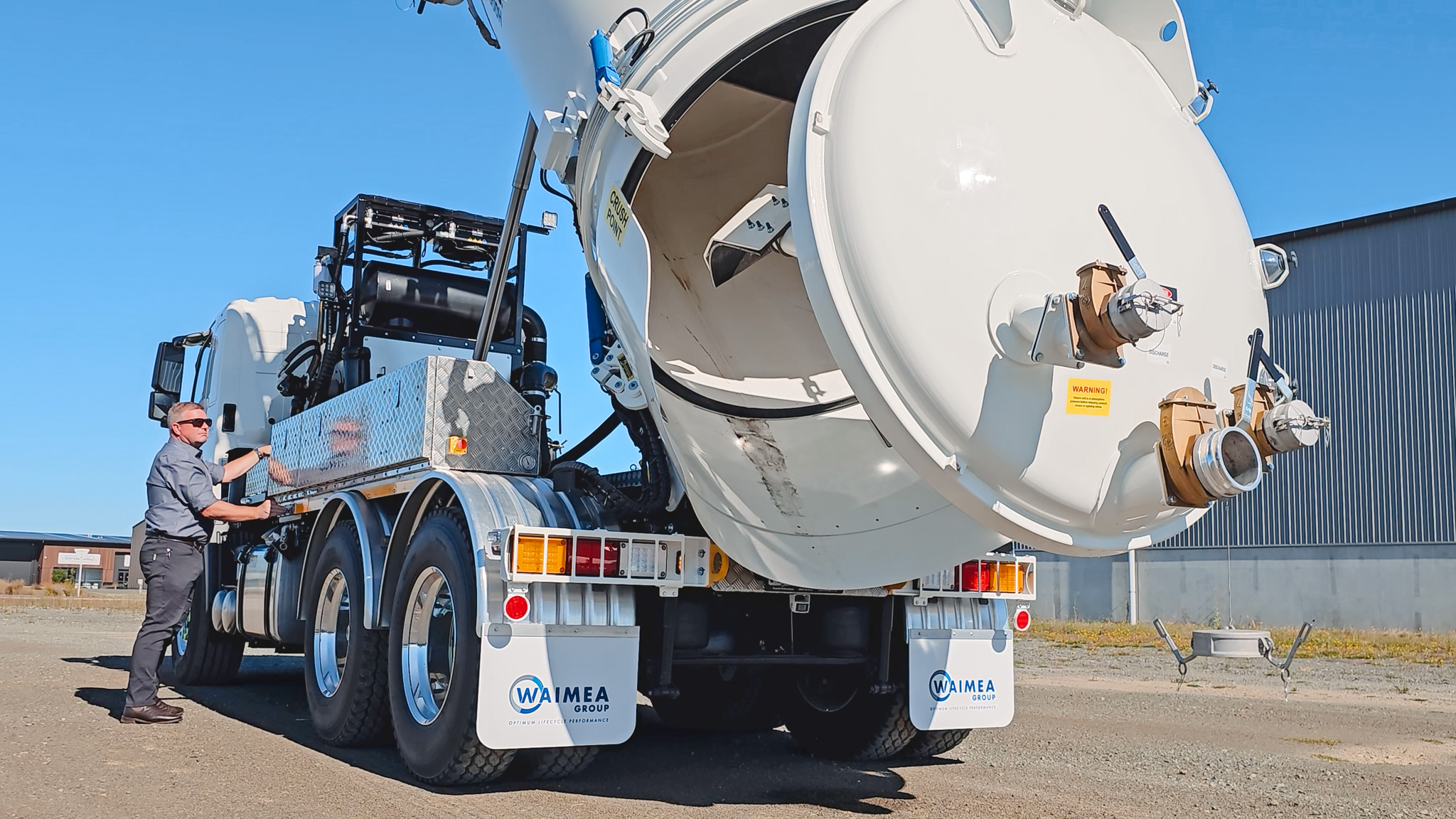
For hydrovac and vacuum tanker operators, pressurisation is a practical advantage that improves productivity, reduces downtime, and keeps jobs moving. That is why the Allvac® range is designed to do both: vacuum when you need it, pressure when it counts.