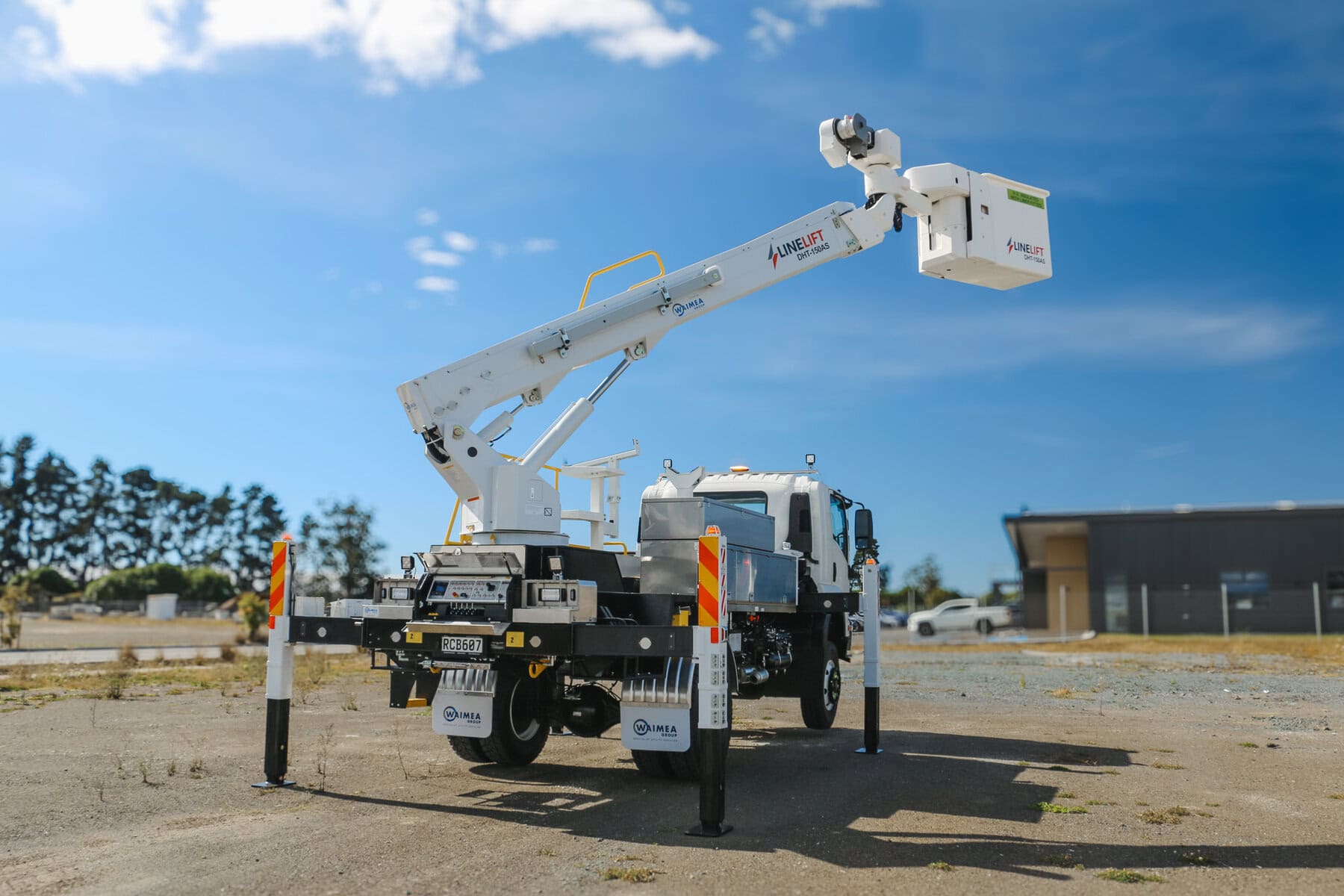
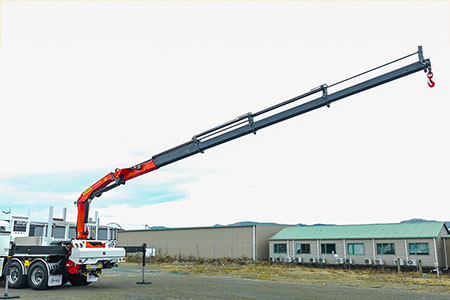
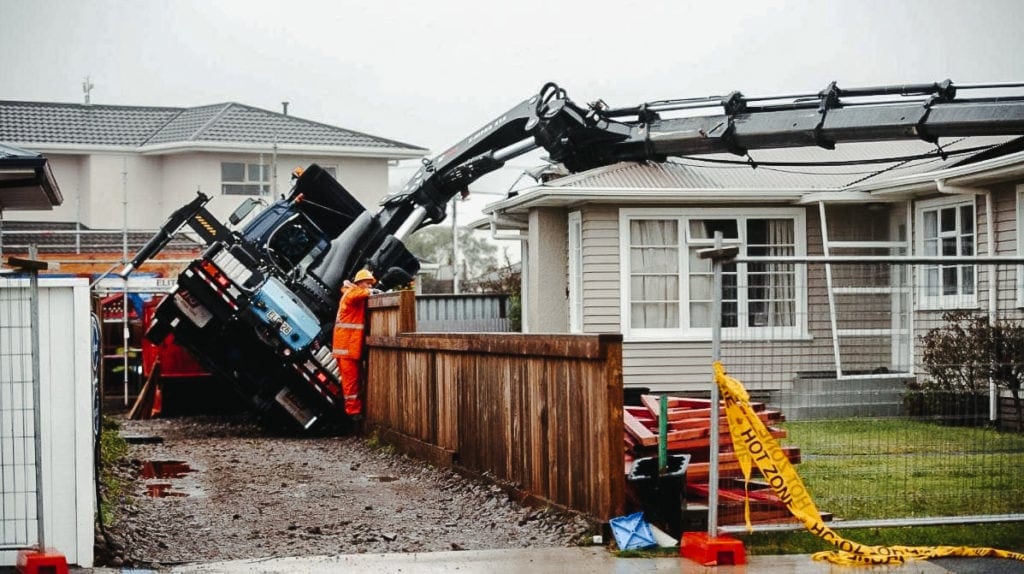
Short jacking is what this process is known as in the industry – the uneven or incomplete extension of the lines crane truck’s or EWP’s or outriggers or jacks. It’s a controversial issue because it makes the crane more vulnerable to imbalance and instability, increasing risk of accidents. While standard operating procedures advocate for full outrigger spread to ensure maximum stability, real-world conditions often require a reduced outrigger footprint.
Sometimes there’s simply no other option when working in confined spaces or on uneven ground to get the job done, so short jacking must be used to allow operators to access lines and complete essential jobs.
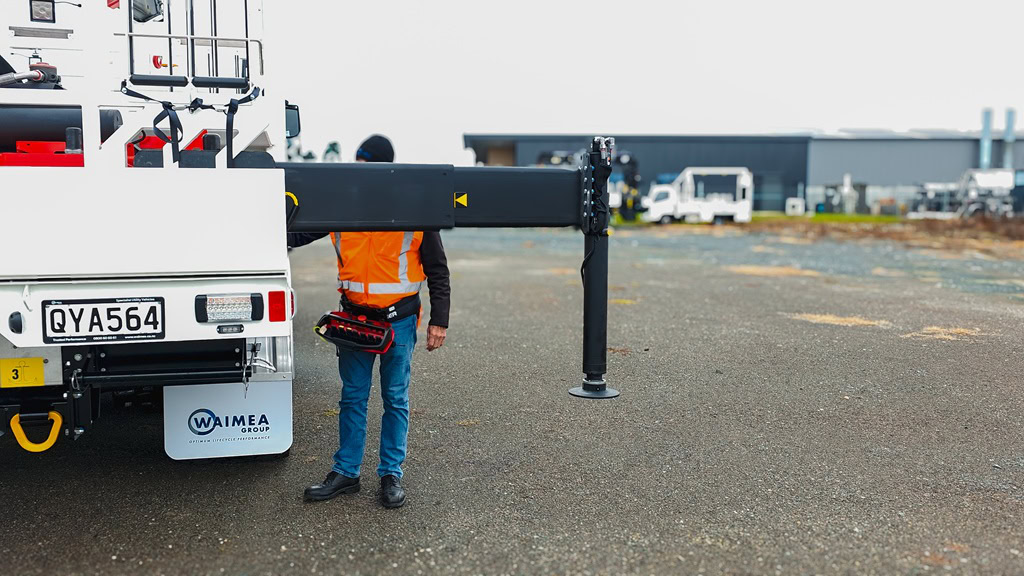
It’s important not to take unnecessary risks when operators have to make this call, because short jacking is a significant area of concern due to the increased risk in crane instability. When an outrigger or jack isn’t fully extended, the unit’s ground bearing pressure can shift, making it highly susceptible to overbalancing or tipping. The hazards are considerable, potentially leading to:
Modern crane trucks are increasingly designed with technology to address the complexities of short jacking. These advancements are transforming crane truck outrigger safety:
These technological capabilities make the process safer, but they don’t eliminate the need for operators understanding load charts and rated capacity when working with a limited outrigger spread.
When operating a unit that doesn’t have electronic capabilities for calculating and dealing with the short jacking process, it’s vital that operators are constantly monitoring both the crane, the environment, and the hazards present. This helps them to remain aware of what could happen and what needs to be done to stay operational.
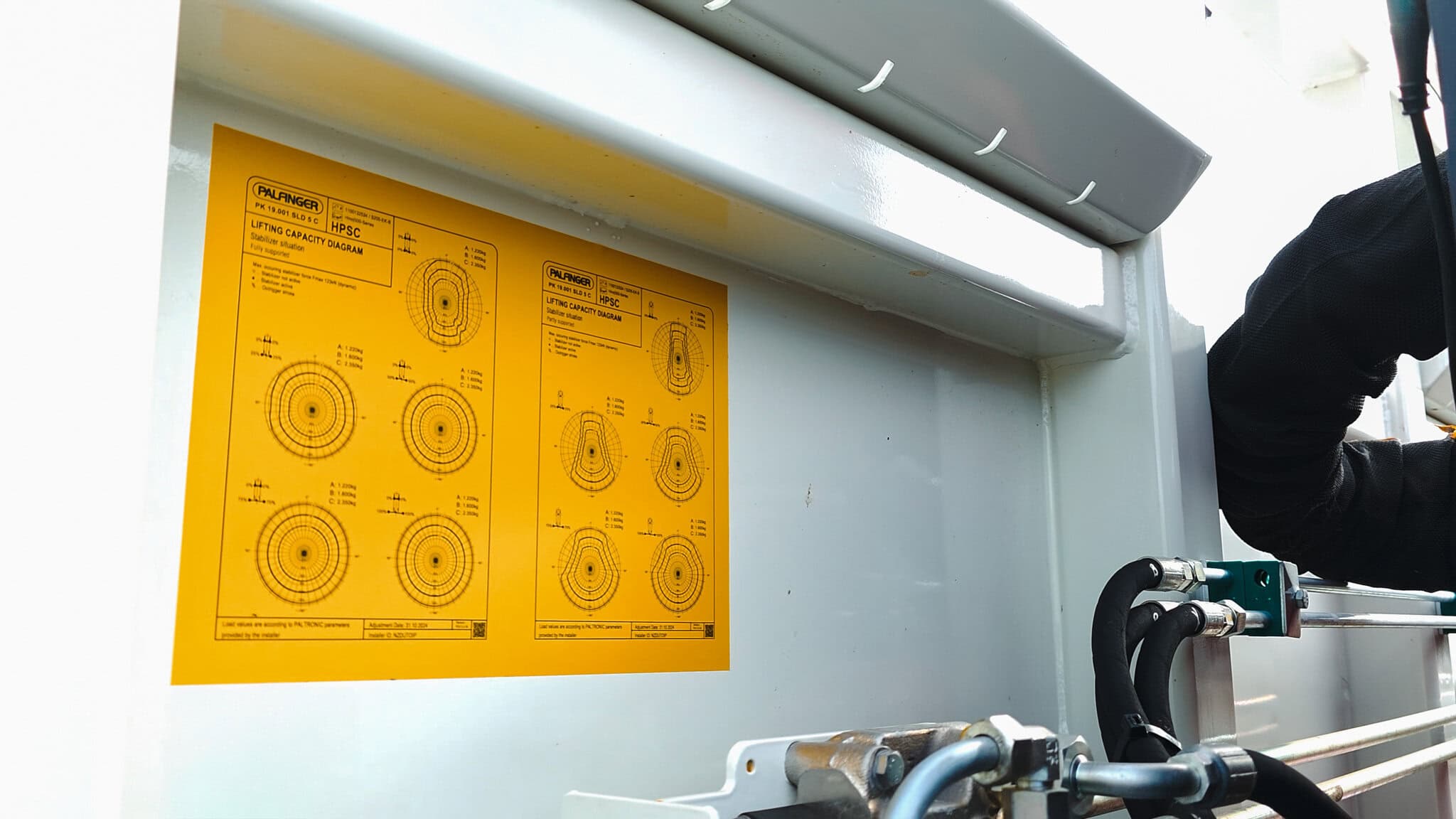
At Waimea Group, we are committed to providing robust and safe solutions for the lines industry across New Zealand. We understand the challenges operators face and proactively address them through: